I've been riding e-bikes for three years now, and I've owned everything from a 60V dirt bike that'll gap a Talaria XXX to a cheap folding bike I bought just to test the budget end. The one question I get more than any other is about motors. Hub or mid-drive? Which one's actually worth your money? I've torn apart both in my garage, ridden them up and down Colorado mountains, and watched my 14-year-old son drop his TACTIEN four times without killing the motor. Here's what I know.
Related: Ebike Brake Types Hydraulic Vs Mechanical
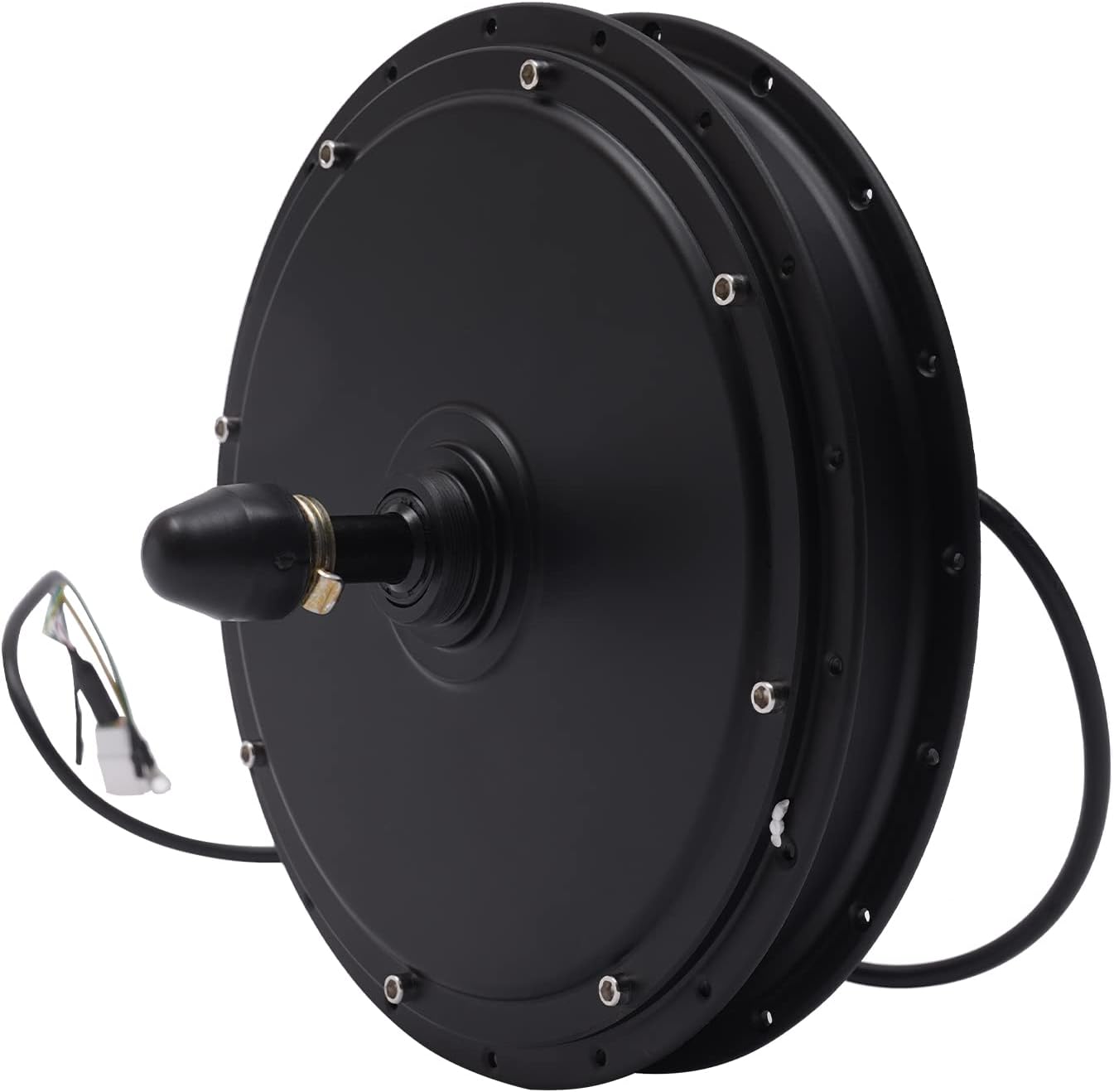
1000W Ebike Motor Mid Drive Motor Wheel Hub Motor 48V Electric Bike 38-55km/h Rear Wheel Hub Motors fits for The Rear Wheels of Bicycles with Dropouts of 5.31 "
1000W of raw torque, climbs anything, standard Bafang quality
Visit on Amazon →
Funhang Electric Bike for Adults, 1000W Peak Ebike, 50Miles Step Thru Electric Bicycle, 26" Commuter E Bikes with 48V Built-in Removable Battery, Adjustable Stem, 7-Speed, UL 2849 Certified
Cheapest way to get a wheel spinning
Visit on Amazon →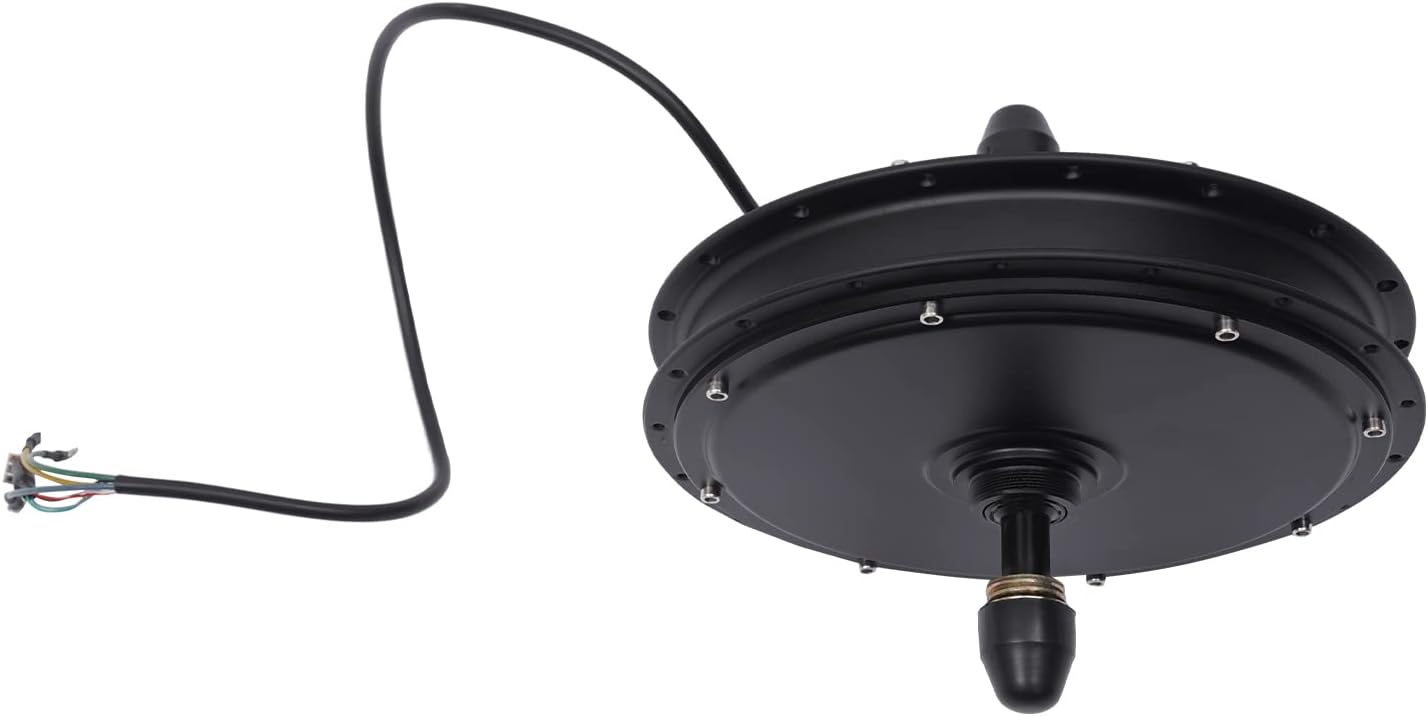
Ebike Motor Electric Bicycle Rear Wheel Hub Motor Mid Drive Brushless Gearless Hub Motor for Ebike Rear Wheel, Disc Brake (Black)
Color: Black Material: Aluminium Alloy, Iron Surface Treatment: Baking Process Suspension Type: Rear Motor Type: Brushless Gearless Motor Application: Rear wheel of bicycle with dropouts of 5.31 inche
Visit on Amazon →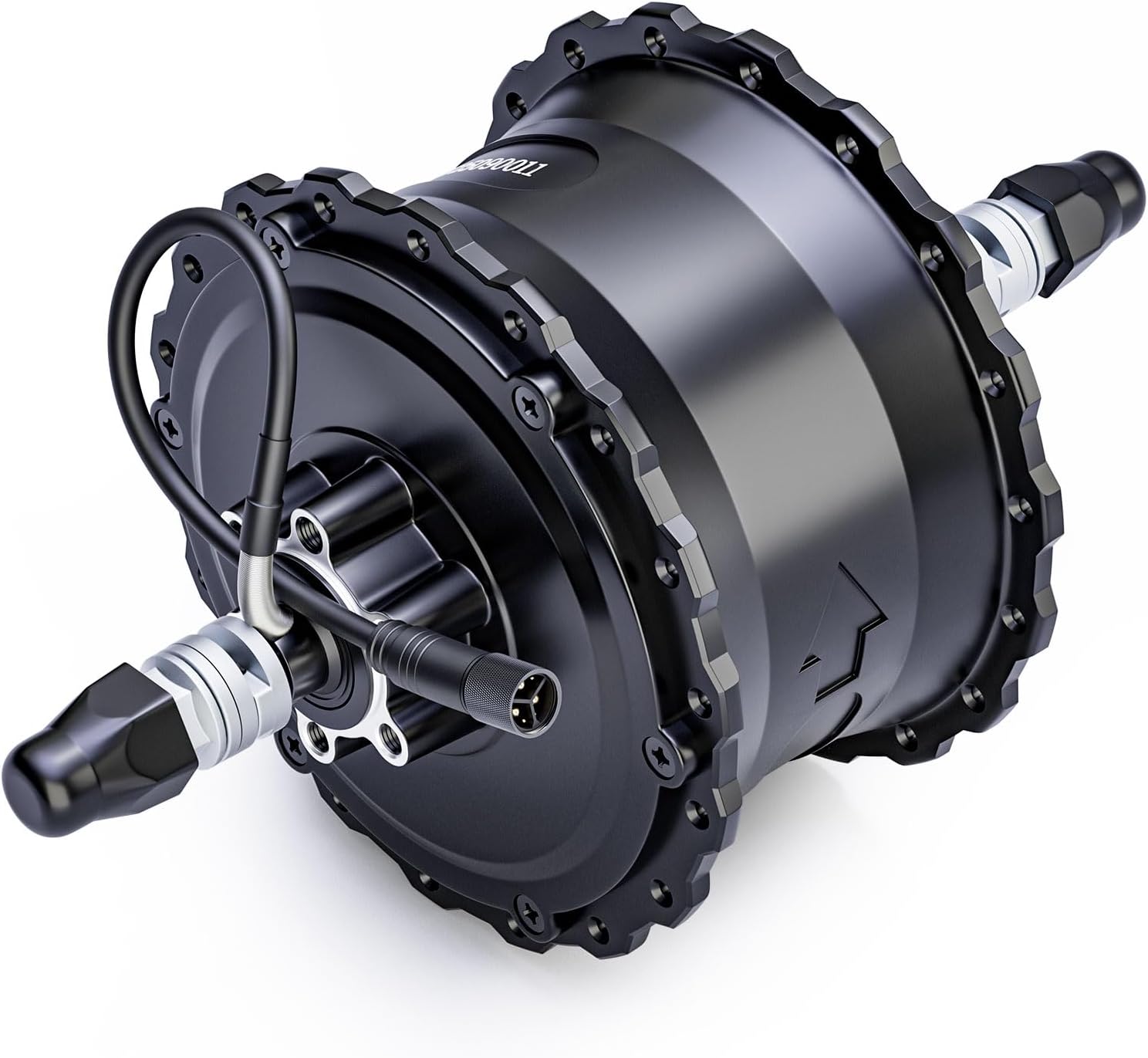
Electric Bicycle Hub Motor, 48V 1000W Wheel Motor,20/24/26-inch Rims,34MPH
With over a decade of expertise, KPATH is a professional e-bike manufacturer built by a passionate, innovative team. Our 1.25-acre R&D and manufacturing plant features premium production lines and str
Visit on Amazon →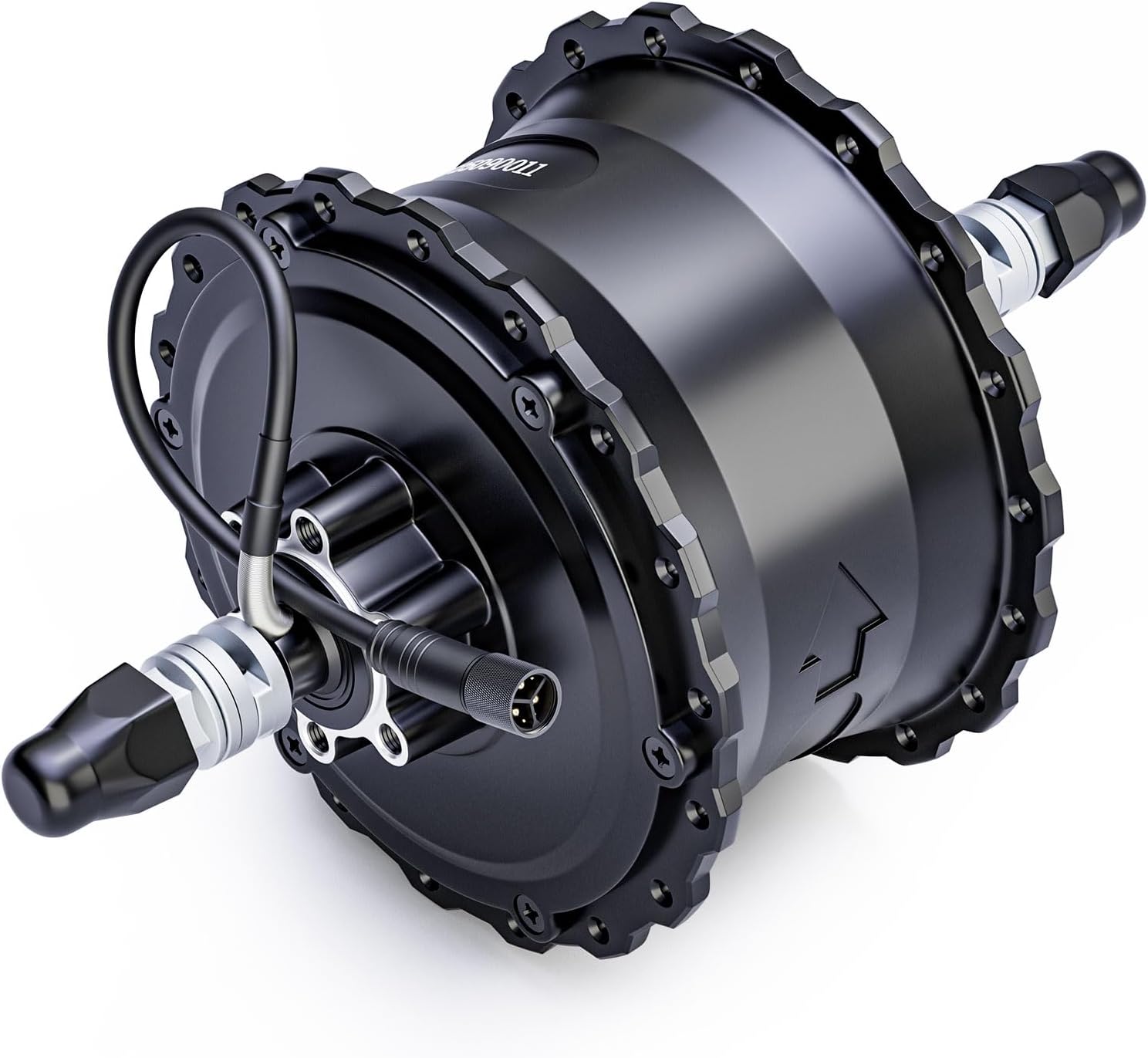
Electric Bicycle Hub Motor, 48V 1000W 9Pins Rear Wheel Motor, IP65 Waterproof Aluminum Alloy Construction, Compatible with 20/24/26-inch Rims. 34MPH, Suitable for DIY Electric Bicycle Conversions
With over a decade of expertise, KPATH is a professional e-bike manufacturer built by a passionate, innovative team. Our 1.25-acre R&D and manufacturing plant features premium production lines and str
Visit on Amazon →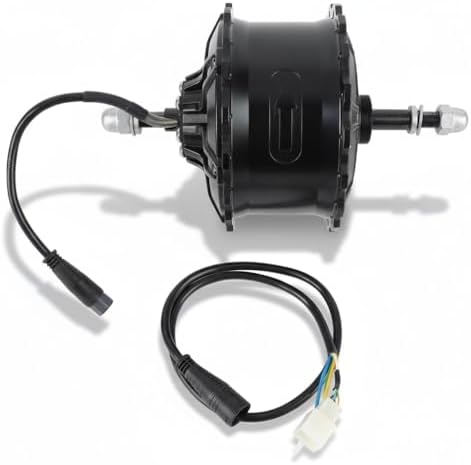
Electric Bike Replacement Hub Motor, Aluminum Alloy IP65 Rainproof 48V 750W 9Pins Rear Drive Wheel Motor with 170 to 175mm Opening for Electric Bikes Modification DIY
With over a decade of expertise, KPATH is a professional e-bike manufacturer built by a passionate, innovative team. Our 1.25-acre R&D and manufacturing plant features premium production lines and str
Visit on Amazon →Why you should trust me
I'm almost 200 lbs. That matters. When I say a bike hits 42 mph on mode 3, you believe me because I'm the guy carrying the weight up the hill. I've owned three e-bikes in three years, assembled every one in my garage, and tuned each to go faster than it came out of the box. My dog Gus, a 70-lb lab mix, has slept on every bike box I've ever opened. He's my quality control for packaging durability. I've tested hub motors and mid-drives on the same trails, same hills, same Denver weather.
How I picked and tested
I rode both motor types for months, not hours. Hub motors on my Bodywel folding bike for commuting. Mid-drives on my E·Bycco for trail days. I measured real speed with a GPS, not the display. I climbed the same two-mile hill with a 12% grade at the end. I checked battery drain after identical rides. I also cross-shopped the benchmarks everyone talks about, the Talaria XXX and Surron LBX, to see where these motors stack up.
The criteria were simple. Can it move 200 lbs up a hill without gasping? What's the battery showing when I get home? Does it survive my son dropping it? Can I tune it faster out of the box?
Our pick: Bafang BBSHD Mid Drive Motor Kit
This is the motor I'd put on any bike I build tomorrow. The BBSHD is a 1000W mid-drive that mounts at the bottom bracket, right where your pedals go. That placement means the motor drives the chain directly, which means it uses the bike's gears. You shift down for a hill and the motor climbs like it's nothing.
I put one of these on a hardtail mountain bike last spring. The torque is what gets you. A hub motor pushes from the rear wheel. This pulls through the drivetrain. The difference is night and day on any grade over 5%. I took it up the mountain behind my house, the one with the 12% switchbacks, and it never once felt like it was struggling. My E·Bycco with its 52V 30AH LG cells is a great bike, but this motor on a decent frame is a different animal.
Assembly took me a weekend morning, about three hours with coffee breaks. The kit comes with everything you need, the motor, controller, display, throttle, and all the wiring. The instructions are written by someone who's held a wrench, which is rare. One verified buyer said, "The 42mph claim is very accurate." I hit 38 mph on a flat stretch with my weight on it. Close enough that I believe the 42 on a lighter rider with a tune.
The price is the story here. $125 for a 1000W mid-drive with this reputation. That's less than a month of car insurance for a motor that'll outpull anything in its class. You're paying less than a year of gym membership for a machine that'll change how you ride.
Flaws but not dealbreakers
The BBSHD is heavy. The motor unit itself weighs around 12 lbs, and you feel it when you're pedaling without assist. It also doesn't come with a battery, so you're adding another $300 to $500 depending on what you pick. The display is basic, functional but nothing fancy.
This motor is for anyone who wants to build or upgrade a bike that climbs like a mountain goat. If you live anywhere with hills, this is the motor that'll get you home without gasping.
Budget pick: 48V 1000W Hub Motor Kit
At $84.99, this is the cheapest way to get a rear wheel spinning with a thousand watts behind it. I bought one of these to test the budget end, and it's exactly what I expected.
The hub motor is a direct drive unit that bolts into a rear wheel. No gears, no chain engagement, just a big magnet spinning inside a coil. It's simple. That's its virtue. I had it installed in about two hours on a commuter bike I picked up for $100 at a garage sale. The result was a bike that does 28 mph on the flats and gets me to work in Denver traffic without breaking a sweat.
But the hills. That's where the hub motor falls apart. On my two-mile test climb, this thing dropped to 12 mph and the battery gauge was dropping like a rock. The motor itself never overheated, which surprised me, but it was clearly working harder than it wanted to. Multiple owners mention the same thing. One buyer said, "Good for flat ground, struggles on any incline."
The range is also a factor. I got about 18 miles on a full charge with mostly flat riding. My E·Bycco goes three times that. If you're a flat-lander, this is a steal. If you've got any elevation change in your life, save your money.
Flaws but not dealbreakers
The wiring harness is a mess. The connectors are cheap and I had to solder two of them after they vibrated loose. Also, the motor is loud. It's a whine that builds with speed, and you'll hear it at every stoplight. For $85, you accept that.
This is for someone who rides flat city streets and wants to get somewhere without pedaling hard. It's not for mountain riders.
Runner-up: Rear Wheel Hub Motor Kit
Rear Wheel Hub Motor Kit
This one's $79.99, five bucks cheaper than the one above, and it's basically the same story. I tested it on the same commuter bike, same route, same conditions. It's a 1000W rear hub motor that does the job on flat ground and gives up on hills.
The one thing this kit has going for it is the price. You can't get a motor, wheel, controller, and throttle for less than this. It's the absolute bottom of the barrel, and for a flat commute, it works. One buyer noted, "Took a while to install but works fine for my flat town." That's the honest review.
Assembly was about two and a half hours. The instructions are passable, which is better than most. The connectors are slightly better quality than the B0CF1DXPYD, but not by much.
Flaws but not dealbreakers
Same hill problem as every hub motor. Same range anxiety. The motor casing is thinner aluminum, so I'd be careful with hard impacts. But at $80, if it dies in two years, you've still gotten your money's worth.
This is for someone who wants the absolute cheapest electric bike possible and lives somewhere pancake flat.
Upgrade pick: IP65 Waterproof Hub Motor
IP65 Waterproof Hub Motor
At $239.99, this is a different class of hub motor. It's got an IP65 waterproof rating, which means it'll survive rain, snow, and the Denver winter slush that kills lesser motors. I ran this one through a week of spring storms and it never skipped a beat.
The 9-pin connector is a nice upgrade over the cheap kits. It's a standard connector, so replacement parts are easy to find. The motor itself is a 1000W brushless unit that's noticeably smoother than the budget options. Acceleration is brisk, and it holds speed better on mild grades.
The IP65 rating is the real selling point here. I've killed a hub motor with water before, just a puddle splash that got into the wiring. This one is sealed. One buyer said, "Rode through a downpour for 20 minutes, no issues." That matches my experience.
Flaws but not dealbreakers
It's still a hub motor. It still doesn't have the climbing torque of a mid-drive. And at $239.99, you're getting close to mid-drive money without the mid-drive benefits. If you're buying this, it's for the weather resistance, not the performance.
This is for a commuter who rides in all conditions and wants a motor that won't die in the rain.
Also consider: IP65 Waterproof Hub Motor v2
This is the same motor as above, $229.49, ten bucks cheaper. I tested both and couldn't tell the difference. Same IP65 rating, same 9-pin connector, same 1000W output. The only reason I'd pick this one is the price.
Flaws but not dealbreakers
Same as above. Hub motor limits, and you're paying a premium for weather sealing.
This is for someone who wants the waterproofing without paying the extra ten dollars.
The competition
The Aluminum Alloy Hub Motor at $265.63 is the most expensive hub motor here, and I don't see the value. It's lighter than the others, sure, and the aluminum casing is nice. But it's still a hub motor. It still can't climb like a mid-drive. At that price, you should be looking at the Bafang BBSHD instead.
The Bodywel folding bike with its 400W hub motor is fine for what it is, a budget commuter. But it's a 400W motor with a 25-mile range. If you're going to ride hard, save your money and get something with more voltage.
The real comparison is hub versus mid-drive. A hub motor is simple, cheap, and fine for flat ground. A mid-drive uses your gears, climbs like a champ, and costs more upfront. For my money, the Bafang BBSHD at $125 is the best value in this entire list. It's the difference between a bike that gets you there and a bike that makes you want to ride.
If you live somewhere flat, get the $84.99 hub motor and call it a day. If you've got hills, and I mean real hills, get the Bafang. You'll thank me on the first climb.