I rode a fixie 40 miles a day for eight years as a Denver bike messenger, every season, up and down the hill streets the tourists never see. My knees quit before the bike did, so I bought a motor. Three years and three e-bikes later, I still shop the same way I did when I had nothing but leg power: voltage and wattage first, price second, and every claim on a listing treated as a claim until it survives a real hill with an almost 200 pound rider on it.
That is the frame for this electric bike comparison. Four listings landed in front of me this month, three complete bikes and one support kit. They span the whole map: a 58V dual motor build with the biggest numbers I have seen in this price band, a 700W peak cruiser aimed at comfort, a 1000W mountain ebike sold in two wheel sizes, and a fat tire and tube kit for the people already riding fat. I have not put my hands on these four specific listings, so what follows is spec reading done the way I do it in the garage, plus the questions I would ask before I clicked buy. No invented range numbers, no borrowed test rides.
The short answer: the 9000W Peak Dual Motor Ebike is the only bike here with numbers worth arguing about, and it is the one I would look at first if speed and battery capacity are what you care about. The MOONCOOL cruiser is the middle of the road comfort pick. The 1000W mountain ebike is the cheapest way into the hobby. The fat tire kit is the thing you buy before you need it, not the afternoon you are standing in your garage with a flat.
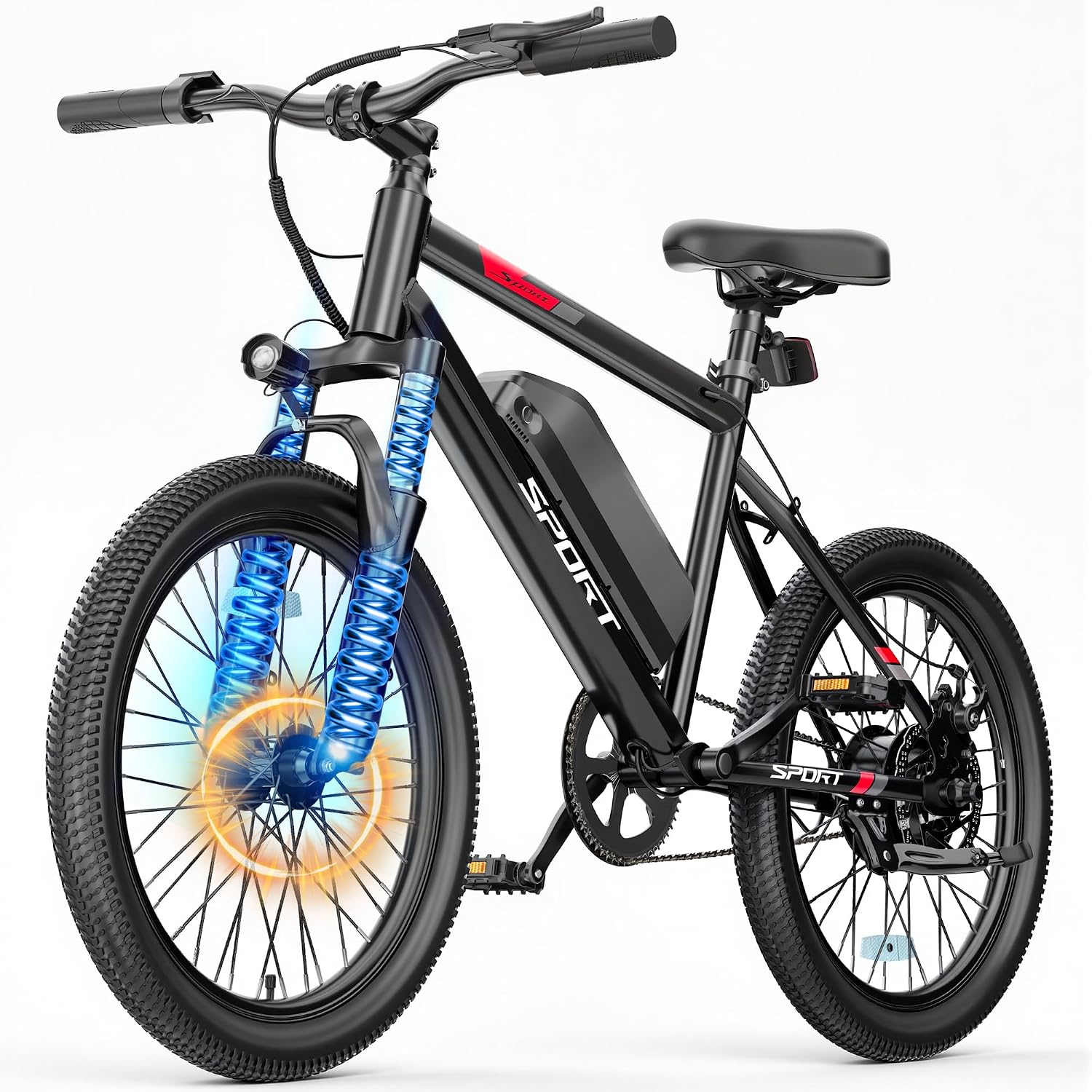
Electric Bike for Adults, 1000W Mountain Ebike, 20"/26" Electric Bicycle
Lowest entry point of the three bikes, and you get to pick 20 inch or 26 inch wheels
Listing is silent on battery cells, weight, and suspension, the three things that decide how it rides
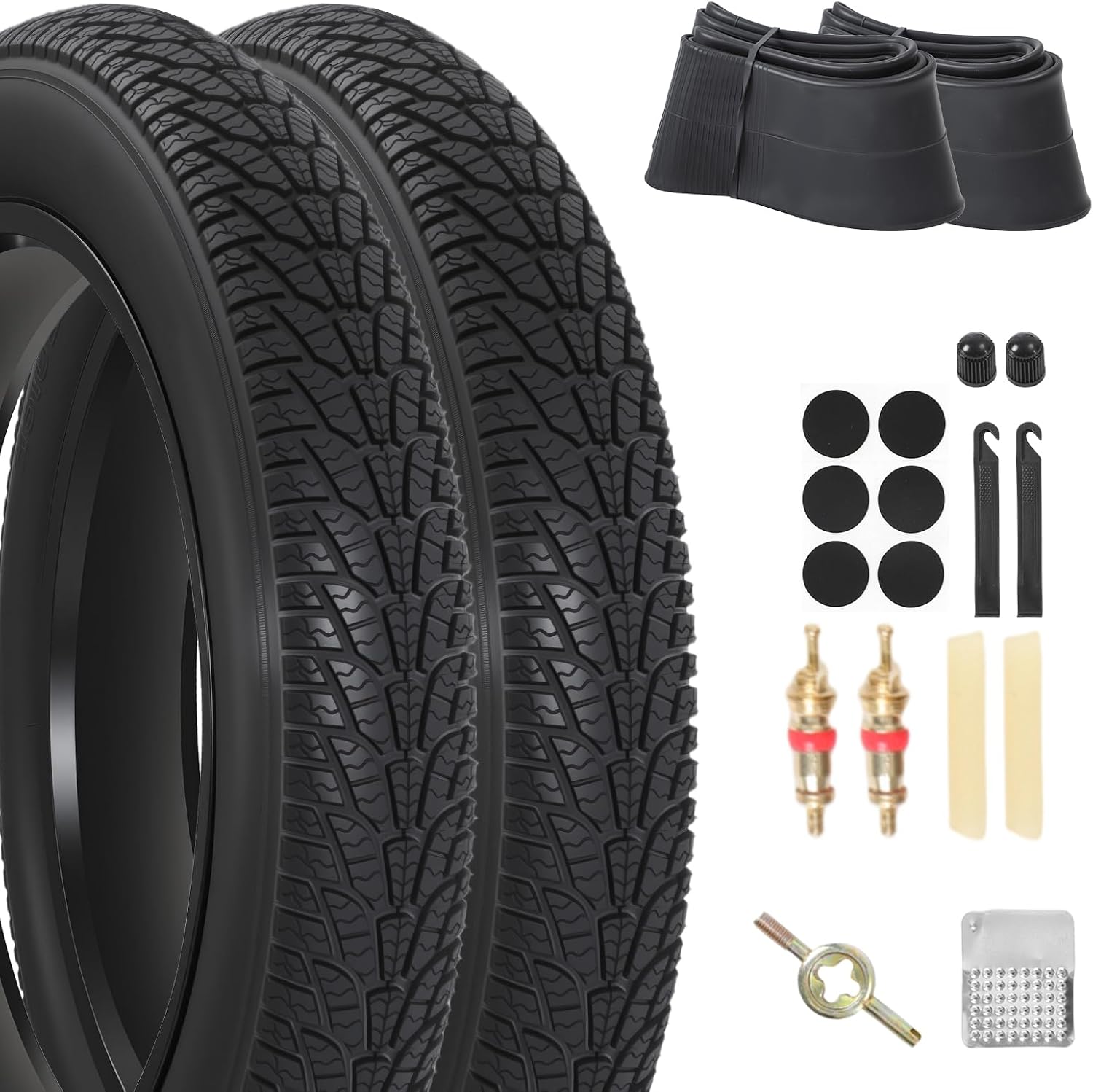
20x4.0/ 20x3.0/ 26x4.0 Fat Bike Tires, 20x4/ 20x3/ 26x4 Fat Tire Tube and Bicycle Repair Tool Kit, Foldable Heavy Duty Off-Road Bike, Ebike Fat Tires Replacement Set
Covers the three common fat sizes plus the tubes and the tools in one box
It is a support kit, not a bike, so it only makes sense if you already ride fat
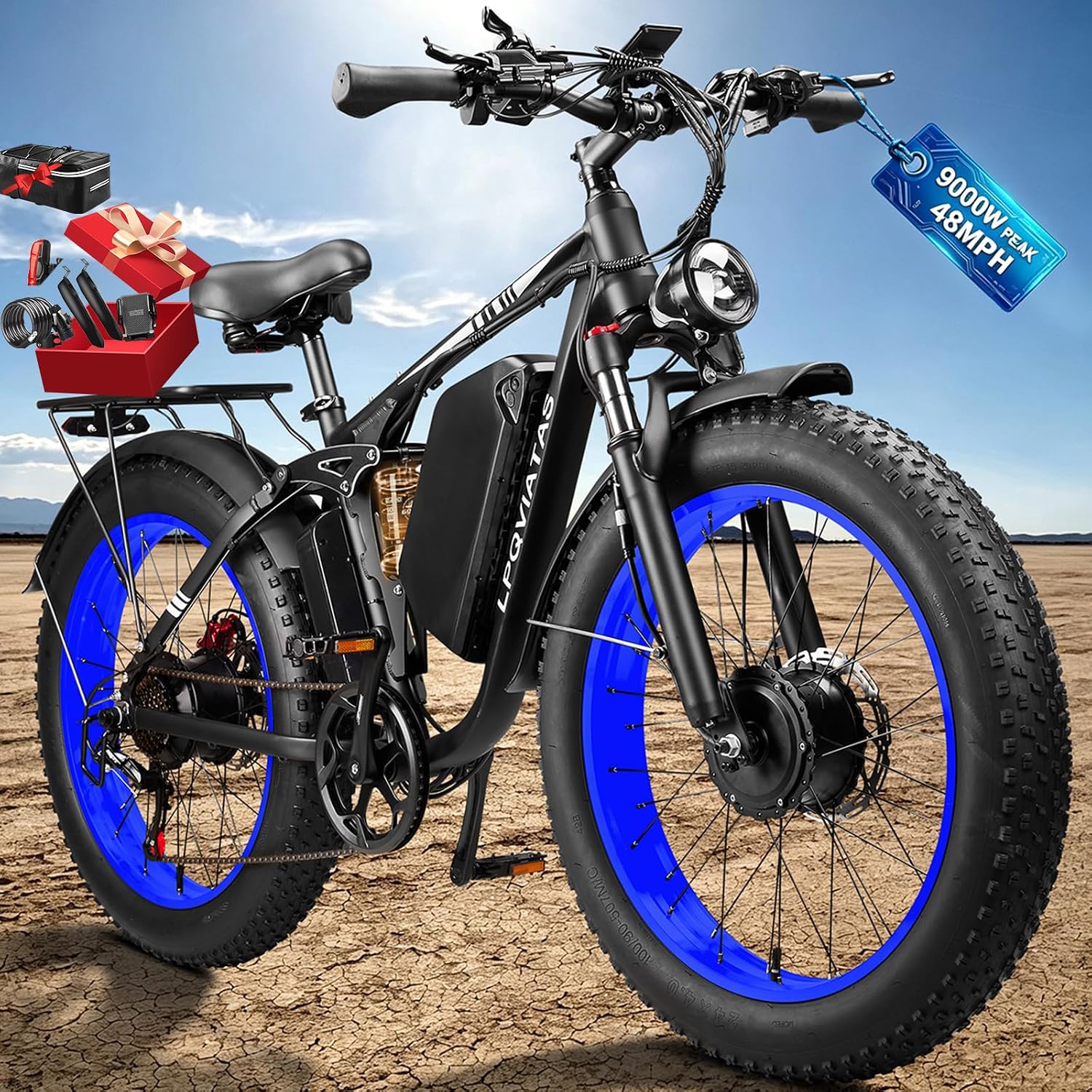
9000W-Peak-Dual-Motor-Ebike for Adults,58V Max-output 34Ah Max 48MPH 105Mi
Biggest voltage, biggest capacity, and two motors on a 48 MPH claim
Peak watts are not continuous watts, and the listing does not say who made the cells
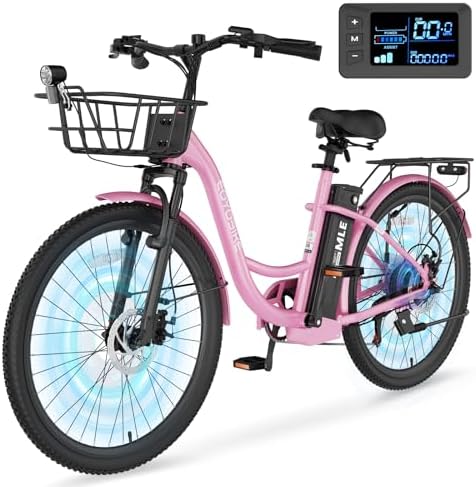
MOONCOOL Electric Bike for Adults, 700W Peak Power Cruiser Electric Bikes
Cruiser geometry is the most comfortable thing here for daily commuting
700W peak is the smallest motor number in the group, so it is a pedal-first bike
Prices and availability were captured from Amazon Creators API and may change.
How I compare e-bikes, in order
Voltage and peak watts come first. 58V is a real step up from the 48V class that most budget listings sit in. It sits just under 60V, which is the number that matters in the dirt bike world. The 9000W Peak Dual Motor listing claims 9000W peak across two motors, and peak watts are exactly that, a peak. What you want to know is continuous rating, because that is the number that decides whether the bike holds speed up a long grade or sags after a mile. The listing does not give it. Ask the seller before you buy.
Amp hours mean nothing without voltage next to them. 34Ah at 58V is a genuinely large pack. The same 34Ah at 36V would be a much smaller one. This is why I ignore standalone amp hour claims and multiply in my head. A bigger pack is not just more range, it is also less voltage sag under load, which is what makes a heavy rider feel like the bike still has power for days at the end of a ride instead of gasping on the last hill.
Then cells. If a seller will not name LG, Samsung, or Panasonic, I assume the worst until proven otherwise. LG cells are the only ones I trust without an argument. None of these four listings, as written, tells me the cell manufacturer, and the dual motor build, with the biggest pack here, is the one where that question costs the most to get wrong.
Then the two specs that get hidden: weight and suspension. Cheap bikes cheat on forks. Good suspension is cushiony and glides over chatter. Bad suspension rattles your teeth out on the same trail. Neither the mountain ebike nor the cruiser lists travel, and neither lists bike weight, which tells you how much you will be lifting onto a rack.
Then assembly and tuning. If I cannot put it together in my garage, I do not really own it. Every bike in this group should be a two hour build with basic tools, and every one of them will have a speed limiter you will want to look at. Out of the box is never fast enough.
The 9000W Peak Dual Motor Ebike: 58V, 34Ah, 48 MPH
Check current Amazon price: Visit on Amazon
The listed numbers are 9000W peak, dual motor, 58V max output, 34Ah max capacity, 48 MPH max speed, and a 105 mile max range. Take those as claims and read them for what they are worth. The 105 mile figure is a max range, which in the real world means flat ground, a light rider, low assist, and perfect weather. My own range test on my 52V commuter taught me that the honest number is the one on the meter when I pull into the driveway, and I have never once run a pack dead. The 48 MPH figure is a max speed, and speed claims only count for me when a heavy rider verifies them on the flat at full assist. Nobody in this listing is claiming that, so a test ride or a return window is your friend.
What the dual motor setup buys you is traction and torque spread across two contact patches. On loose gravel and steep loose climbs, that is a real advantage over a single hub, and it is why dual motor builds have a following. The trade is complexity: two controllers, two motor cables, and more places for water to get in. Check the IP rating before you ride it in a Colorado afternoon thunderstorm.
This is the bike here that would interest the crowd that cross-shops 52V against 60V. If the 58V pack is real and the cells are decent, it is a lot of system for the money.
The MOONCOOL 700W Peak Cruiser
Check current Amazon price: Visit on Amazon
The MOONCOOL is a cruiser with a 700W peak motor, and that is the whole pitch. Cruiser geometry means an upright back, swept bars, and a seat you can sit on for an hour without thinking about it. For a commute that is mostly pavement, bike paths, and errands, upright beats aggressive every time. My messenger years cured me of thinking that a forward lean is a personality.
Be honest about the motor number. 700W peak is the smallest figure in this group, and 700W peak means less than 700W sustained. This is a bike you pedal, with the motor flattening the hills and taking the sting out of a headwind. That is not a criticism, it is a category. If you want a bike that carries you up a hill with the throttle pinned and no pedaling, this is not that bike.
What I would want to confirm before ordering: whether the frame is step through or step over, whether the battery is removable for charging indoors, and what the rack and fender situation looks like, because a cruiser without fenders in Denver is a shirt with a stripe on it by October. The listing does not answer those for me.
The 1000W Mountain Ebike, sold in 20 inch and 26 inch
Check current Amazon price: Visit on Amazon
This is the entry point of the three bikes, and it is the one I would hand to someone who wants a motor without writing a big check. 1000W and mountain geometry, sold in both 20 inch and 26 inch.
The wheel choice matters more than the spec sheet suggests. A 20 inch wheel accelerates quicker and feels smaller and more flickable, which suits tighter trails and shorter riders. A 26 inch wheel rolls over roots and chunk better and holds speed once you are moving. If you are near my weight and riding anything rocky, I would take the 26 and accept the slower launch.
The questions this listing does not answer are the same ones that decide whether a budget bike holds up well: cell manufacturer, bike weight, fork travel, and brake type. Ask about brakes specifically. A 1000W bike that cannot stop is worse than a 500W bike that can. And plan on checking the assembly on the fork, the stem, and the axle bolts after the first ride, because shipping knocks things loose and a two hour build is only finished once you have re-torqued everything.
The Fat Bike Tire, Tube, and Tool Kit
Check current Amazon price: Visit on Amazon
This one is not a bike, and I am not going to pretend it is. It is a replacement set: tires listed in 20x4.0, 20x3.0, and 26x4.0, matching fat tire tubes, and a bicycle repair tool kit. If you own a fat tire e-bike in one of those sizes, this is the boring purchase that saves an afternoon.
Here is the thing about fat bikes and flats. A fat tire is the first place a cheap build meets reality, because fat tires pick up goatheads, glass, and rim pinch on every ride, and a heavy rider running low pressure is hard on sidewalls. Waiting until you have a flat to order a tube means a week off the bike. Buy the kit, hang it on the garage wall, and forget about it.
Read your own sidewall before ordering. The sizes listed here are specific, 20x4.0, 20x3.0, and 26x4.0, and a 20x4.0 tube is not going into a 26 inch rim. Measure, check the marking on the tire you already own, and match it. And if your bike came with tubeless ready rims and you are running tubes anyway, that is fine, just make sure the valve stem you have matches.
The trade-offs, laid out straight
Budget against speed. The 1000W mountain ebike gets you riding for the least money. The 9000W Peak Dual Motor gets you the biggest numbers. The difference between them is not just price, it is what you can verify. A budget bike with a known-good frame and honest cells beats an unknown bike with a big sticker every time.
Capacity against everything else. The 34Ah, 58V pack on the dual motor build is the largest system in this group by a wide margin, and that is where a lot of the money goes. If your rides are short, that capacity is money you did not need to spend, and the mountain ebike or the cruiser would leave you with cash for a helmet, a lock, and lights.
Comfort against aggression. The MOONCOOL cruiser wins the daily commute. The mountain ebike wins loose surfaces and trails. Nobody buys a cruiser and then wishes it had a longer reach on a rock garden, and nobody buys a hardtail and then wishes they were sitting more upright on the way to the office.
Riding fat against riding anything. If you are on a fat tire platform, the tire kit is not optional, it is maintenance. If you are not, skip it entirely.
What I check before I click buy
Ask about the cells, then weight, then brakes, then the continuous motor rating, then the return window. In that order. If two of those five go unanswered, I wait for a listing that answers them.
Plan the build. Two hours in the garage, a torque wrench, and a friend to hold the bars makes the first assembly go faster than doing it solo. My first build was solo and I still bring it up.
Plan the tune. Every bike arrives limited. Display settings and controller configuration are how owners find the speed that was always in the motor, and it is the first thing I look up for any bike I own. Do that after the warranty question matters to you, not before.
Bottom line
The 9000W Peak Dual Motor Ebike is the pick if speed, voltage, and battery capacity are what you are shopping for, and the 58V, 34Ah system is the reason. The MOONCOOL cruiser is the pick for a rider who wants an upright, comfortable daily bike and does not need the biggest motor in the room. The 1000W mountain ebike is the pick for the lowest entry cost, in whichever wheel size matches your riding. And the fat tire and tool kit belongs in the garage of anyone riding 20x4 or 26x4, whether or not they are shopping for a bike at all.
Same rules as always: verify the speed yourself, log the miles yourself, and buy the bike that still works the day after your kid drops it.