I bought my first e-bike three years ago as a compromise with my knees, after eight years of pushing a fixie around Denver for a living. Forty miles a day, every season, up the hill streets the tourists never find. A motor is not cheating, it is math. So when I put together an e-bike vs hub motor vs scooter comparison, and then add the 12V garage hardware that keeps a bench setup honest, I do it the way I buy: voltage and wattage first, price second, and a real hill at almost 200 lbs before I believe a single number on the box.
These four are not four versions of the same purchase. Two are complete vehicles, one is a conversion part for a frame you already own, and one is infrastructure that lives in the garage or the van. That matters more than any spec table, because the wrong category is the most expensive mistake in micromobility. Buying a scooter when you wanted a commuter bike is a $1,600 lesson. Buying a hub motor when you wanted a bike you can ride tomorrow is a two-weekend lesson.
Related: E-Bike Battery Care: What Actually Extends Range
The short answer: if you want one vehicle and zero wrench time, the 1000W Peak Electric Bike for Adults is the pick. If you already own a frame you love, the rear wheel hub motor is the cheaper path to a build. The BELTTT inverter is a support purchase, not a vehicle, and you only buy it if you have a 12V source and 120V gear to feed. The hyper scooter is the fastest and the most expensive thing here, and it will gap everything else in this article if that is what you are actually shopping for.
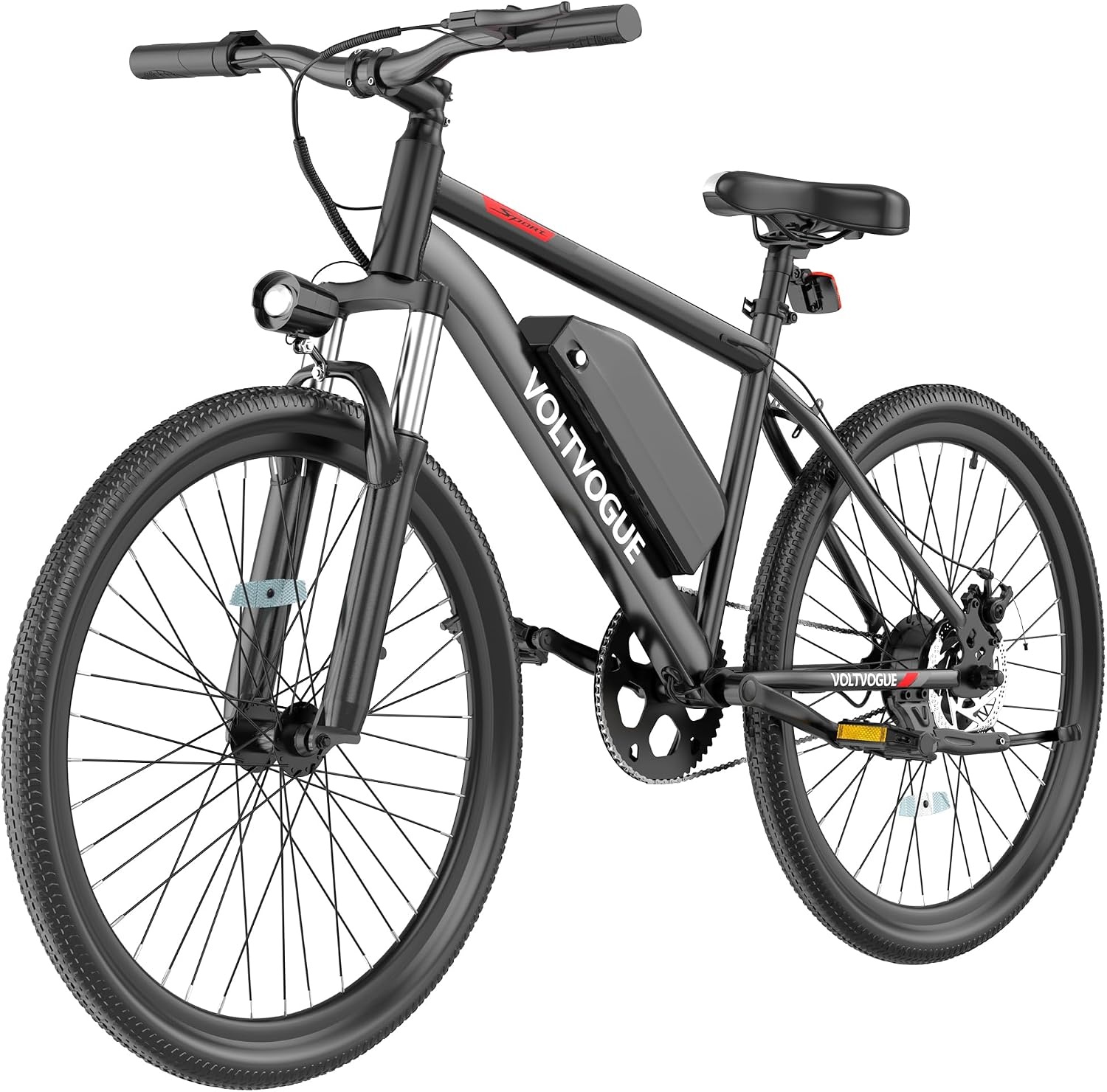
1000W Peak Electric Bike for Adults
A complete bike on arrival: 26 inch wheels, 3-speed drivetrain, removable battery, and an up to 45 mile range claim at the lowest entry point in this group
1000W is a peak figure, not a continuous one, and a 45 mile claim is a claim until a heavier rider climbs hills on it
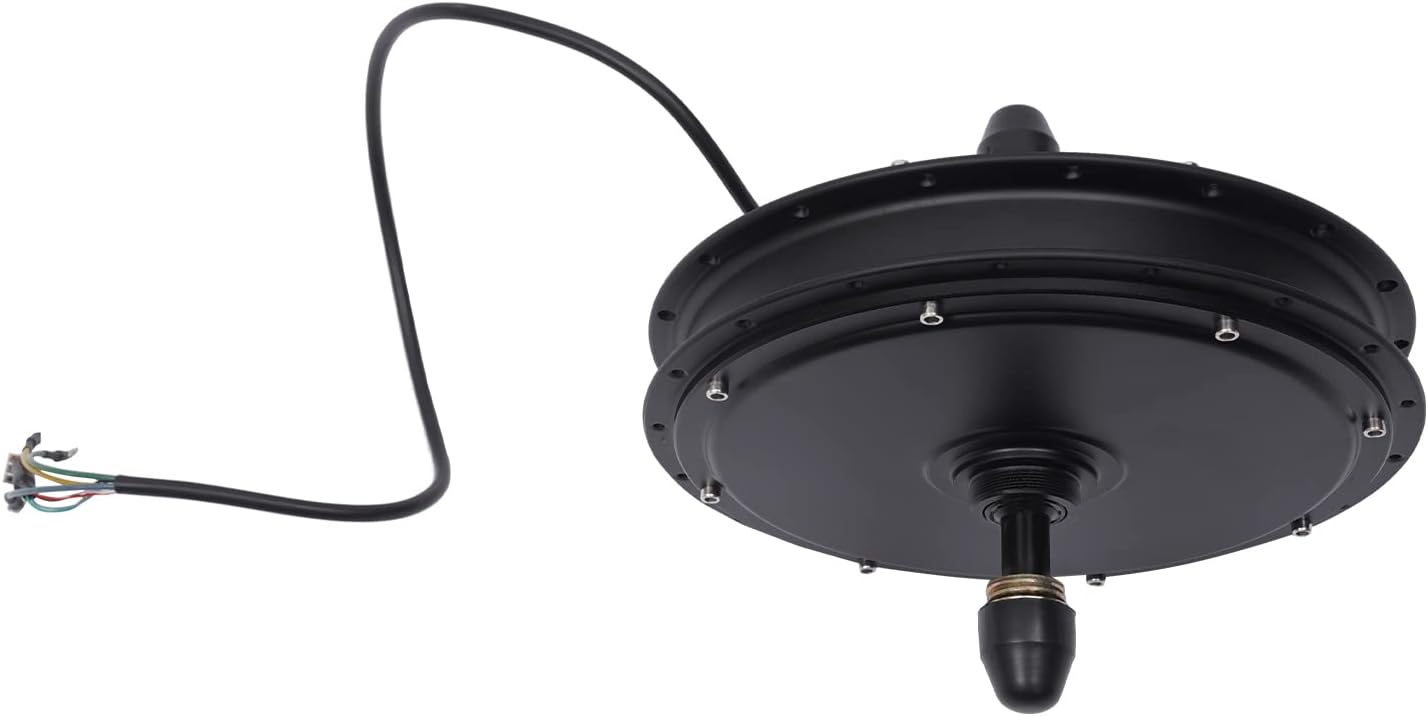
Ebike Motor Rear Wheel Hub Motor
The cheapest way into a build if the frame is already in your garage, with rear wheel mounting and disc brake compatibility
It is a motor, not a vehicle. Battery, controller, display, and the rest of the bike are still on you
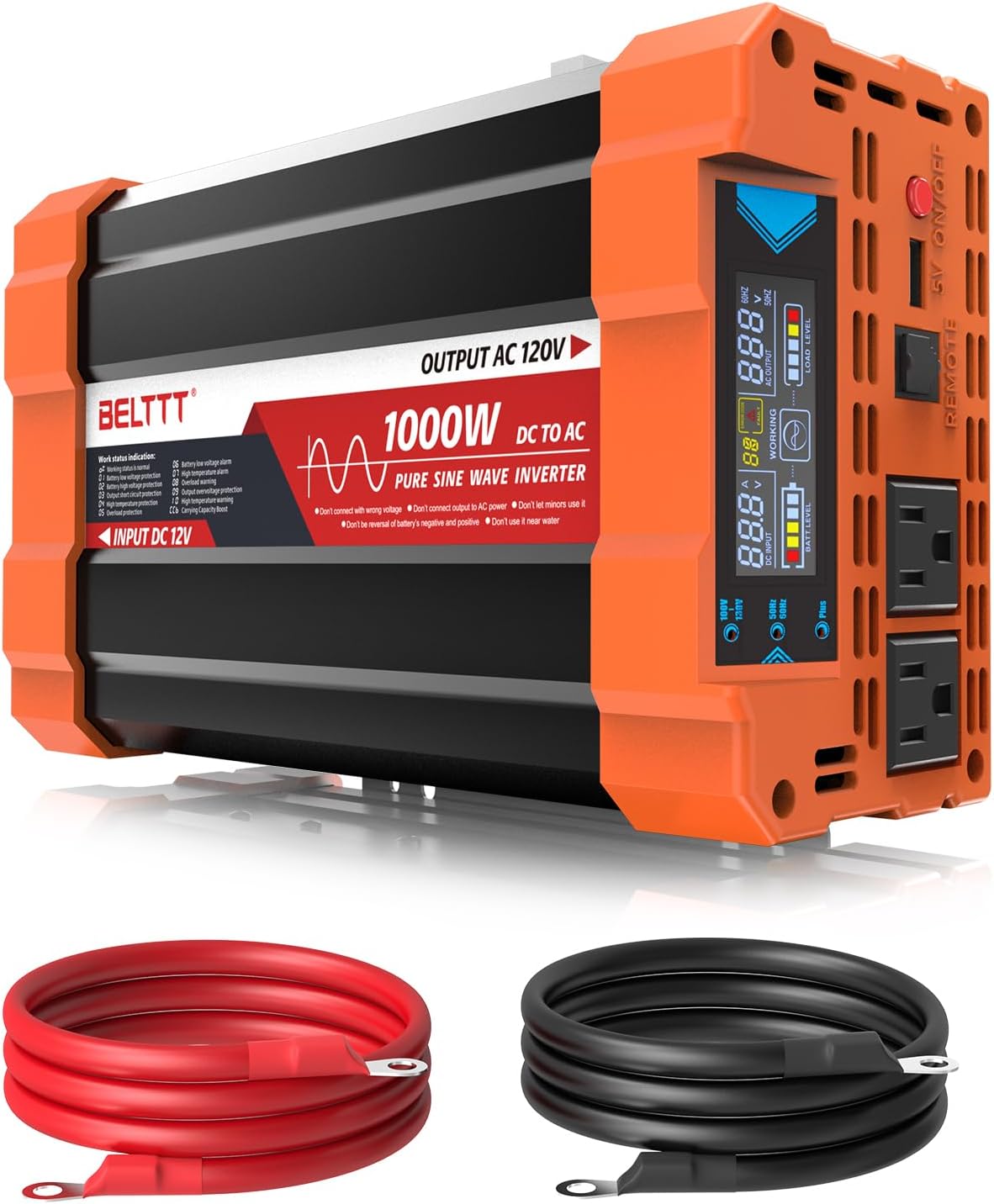
BELTTT 1000Watt Pure Sine Wave Inverter
Pure sine wave output, 1000W continuous and 2000W peak, taking 12V DC up to 120V AC for a bench, a van, or a trailhead
It is not a vehicle and not a battery. Bring your own 12V source, and respect the startup surge on anything with a big motor

Electric Scooter Adults, Hyper Motor
The performance ceiling here: single or dual motor tiers from 3500W to 8000W, up to 58 MPH and 75 miles claimed, on 10.5 or 12 inch tubeless tires
The highest price by a wide margin, and 58 MPH on a scooter is a different risk category than 28 MPH on a bike
Prices and availability were captured from Amazon Creators API and may change.
How I sort micromobility gear
Five questions, in this order.
What is the voltage and the wattage, and is that number peak or continuous? A peak number is the sprint. Continuous is the commute. Sellers love peak because it is bigger.
Can it move almost 200 lbs up a real hill without gasping? I am the test nobody else runs. If a motor only works for a 140 lb rider on flat ground, it does not work.
What is the battery actually showing when you get home, not what the sticker claims? Range is marketing until the meter still reads full at your driveway.
Will it survive being dropped? My son has dropped his bike four times, and that is a review metric in this house, not an accident.
Can I tune it? Out of the box is never fast enough, and a bike that caps you with no path to more speed is a bike you will resent by month three.
The complete bike: 1000W Peak Electric Bike for Adults
This is the one that shows up as a bike and not a project. A 26 inch wheel, a 3-speed drivetrain, a removable battery, and an up to 45 mile range claim, with the listing pitching it for commute, beach, snow, and all terrain use. For a first e-bike or a second one that a partner or a kid can actually ride, the removable battery is the feature that matters most. You carry it inside, you charge it at a desk, and you are not running an extension cord across a garage floor in January.
What I would verify before trusting the range claim: rider weight, terrain, and assist level. The 1000W figure is a peak rating, which means the honest continuous number is lower. That is normal, and it is not a knock. It is the difference between a spec sheet and a hill. A 3-speed drivetrain on a bike like this is a good sign, because it means the motor is not doing all the work at low speed on a steep grade, and you can help it.
The conversion part: rear wheel hub motor
The listing title says rear wheel hub motor and mid drive in the same breath, which tells you it was written for search results, not for a mechanic. Read it as what the photo shows: a brushless, gearless rear hub motor with disc brake mounting, sold in black. If you already have a frame, a rear wheel, and a battery, this is the lowest cost route into a powered bike in this entire article. If you do not, it is not a shortcut, it is the first line of a longer shopping list.
Gearless hub motors are simple and they hold up well because there are fewer parts inside to break. The trade-off is that they are heavier than a geared hub and they do not freewheel as freely, so pedaling with the motor off feels like pedaling with a brake dragging. That is the honest cost of simple. For a flat-ish commute or a cruiser build, it is a fine trade. For a rider my size on a Denver hill, I would want to know the winding and the controller before I committed.
Assembly is part of the deal here. If you cannot put it together in your garage, you do not really own it. Spokes, torque arms, and a controller that matches the motor are all decisions this purchase does not make for you.
The garage piece: BELTTT 1000Watt Pure Sine Wave Inverter
I know why this is in a micromobility list, because it is in my garage. A 12V DC to 120V AC inverter with 1000W continuous and 2000W peak, and pure sine wave output, which is the version you want if you are plugging in electronics rather than a work light. Modified sine wave is cheaper and it makes some chargers and power supplies buzz or misbehave. Pure sine wave is the version that plays nice.
Where it earns its place: a van or truck setup where you want household power off the vehicle battery, a garage bench where you are running a laptop, lights, and small tools away from an outlet, or a trailhead where you want to top up gear from a portable 12V source. Where it does not: it is not a battery, it does not store anything, and 1000W continuous will not carry a big inductive load with a heavy startup surge. Add up your loads before you buy, not after.
If you are shopping for an e-bike and this is the product that caught your eye, be honest about why. An inverter is a support purchase for people who already have the 12V side figured out.
The hyper scooter: the performance ceiling
This is the outlier, and it is not close. Single or dual hyper motor tiers rated 3500W, 7000W, and 8000W, with claimed top speeds up to 45, 55, and 58 MPH, claimed range up to 50, 70, and 75 miles, and 10.5 or 12 inch tubeless tires. Tubeless matters on a scooter because a flat at speed is a real event, and tubeless lets you plug and go instead of pulling a wheel on the side of the road.
Here is the honest read. If you want the fastest thing in this comparison and you want to gap everything else, this is it. 8000W in a dual motor configuration is not a commuter, it is a motorcycle with a deck. The tiers exist for a reason: the base single motor version and the dual motor version are two different products sharing one listing, and the price and the risk scale together.
At 58 MPH you are not in bike territory anymore. You are in full face helmet, armored jacket, and real braking distance territory. That is not a reason to avoid it, it is a reason to buy the right gear at the same time. And a 75 mile range claim is the claim I would want to see on a rider who is not 140 lbs.
The trade-offs, stated plainly
Buy the complete bike if you want to ride this week and you do not want to source parts. You give up tuning headroom and you accept a peak rating that is not a continuous rating.
Buy the hub motor if you already have a frame, a battery, and the tools. You save money and you spend weekends, and if anything downstream does not match, that is your problem, not the seller's.
Buy the inverter if you have a 12V source and a 120V need. It is the least exciting product here and the easiest one to regret if you bought it thinking it was a charger.
Buy the hyper scooter if speed is the whole point and you have already priced the safety gear. It costs the most and it delivers the most, and there is no version of that math where it is a budget pick.
What the specs do not tell you
Nobody in this group states the battery cells. If a seller will not say LG, I assume the worst, because cell quality is the difference between a pack that lasts three seasons and a pack that lies to you in month four. That is true of the complete bike, true of whatever pack you pair with the hub motor, and true of the scooter.
Nobody states the continuous wattage in plain terms either. Peak is the number on the box. Continuous is the number that gets you up the hill on the way home with 30 percent battery left.
And nobody tests range at 200 lbs on a grade. Range claims get measured by light riders on flat ground in perfect weather, and that is exactly the test that tells you nothing about your commute.
Which one is actually for you
First e-bike, low fuss, one vehicle, low entry price: the 1000W Peak Electric Bike for Adults.
You own a frame, you own a battery, you want the cheapest powered option: the rear wheel hub motor.
You need 120V power off a 12V source in a van, a garage, or a trailhead: the BELTTT inverter, and only that.
You want the fastest thing here and you will buy the helmet to match: the hyper scooter.
What I am watching next
I track miles on every bike in my garage and photograph the battery meter at the end of every ride, because a range claim is marketing until the meter says otherwise. That habit is why I do not hand out range numbers I have not logged, and why I will not tell you a 45 mile claim is real or a 75 mile claim is real until a heavier rider on a real hill proves it. Voltage and wattage first, price second, and the hill decides.