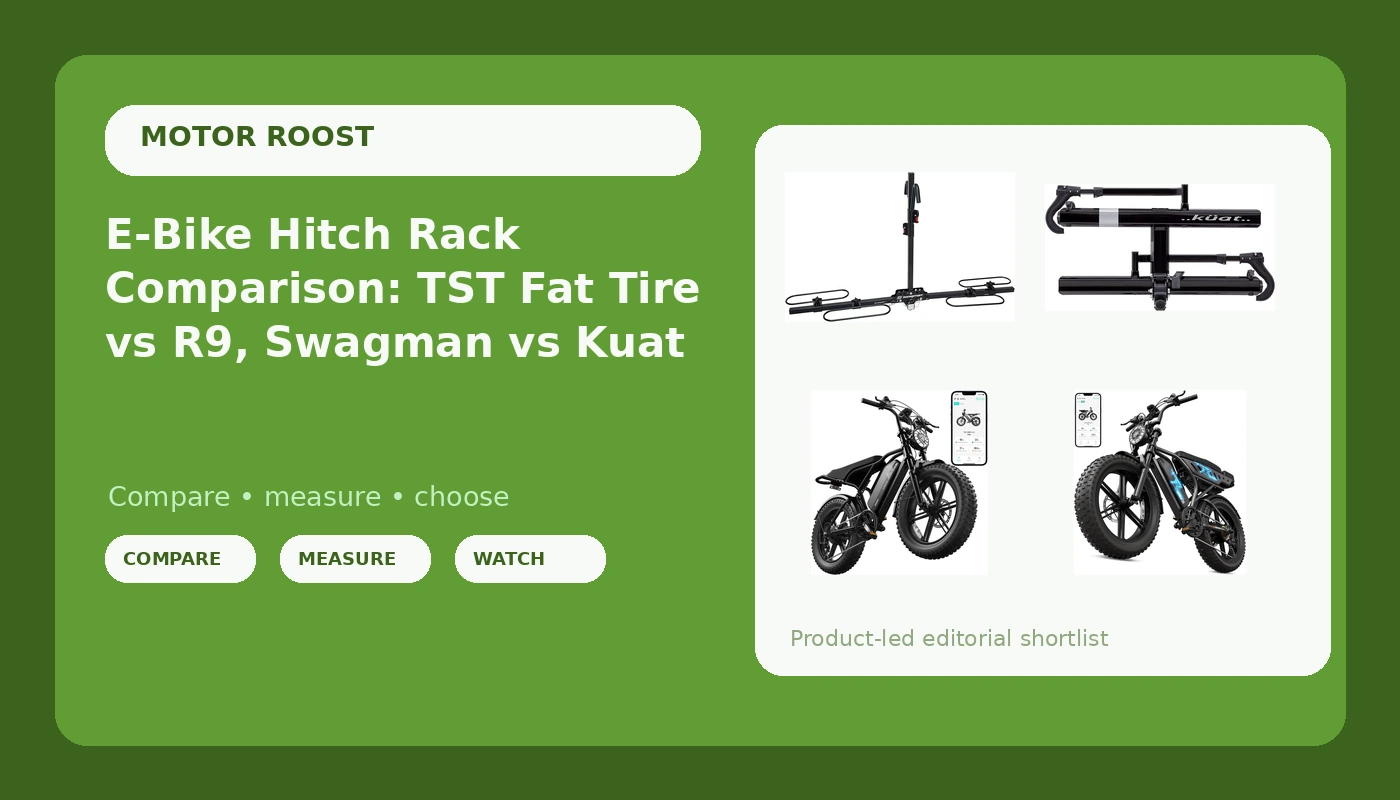
I rode a fixie 40 miles a day as a bike messenger in Denver for eight years before my knees filed a complaint I could not ignore. I have been commuting on a motor for three years since, and the lesson that stuck is that buying the bike is the easy half. The other half is everything after: where the bike lives, how it gets to the trailhead, and whether it is still working in month fourteen. That is why this e-bike hitch rack comparison exists, and why I put four products on one page instead of four separate write-ups. Two of them are e-bikes: the TST Electric Bike 48V 15/25Ah Battery 2000W Peak Motor, 20 * 4.0 Fat Tire and the TST Electric Bike for Adults, 48V 15Ah Battery for Urban Cycling, R9. The other two are the hardware that gets a bike to the dirt: the Swagman XC Cross-Country 2-Bike Hitch Mount Rack and the Kuat Sherpa 2.0 Compact 2-Bike Transporting Hitch Rack.
I weigh close to 200 pounds, so I am the test a lot of reviews quietly skip. Every hill around here is a real hill, and every bike I care about has to move that weight up one without gasping. I also have a 14-year-old son who has dropped his bike four times, which is its own kind of durability data. That is the lens I use on everything below.
The short version: the TST fat tire bike is the one for snow, sand, and fire roads, the R9 is the one for pavement and errands, the Swagman XC is the entry point into hitch racks, and the Kuat Sherpa 2.0 is the rack you buy once and stop thinking about.
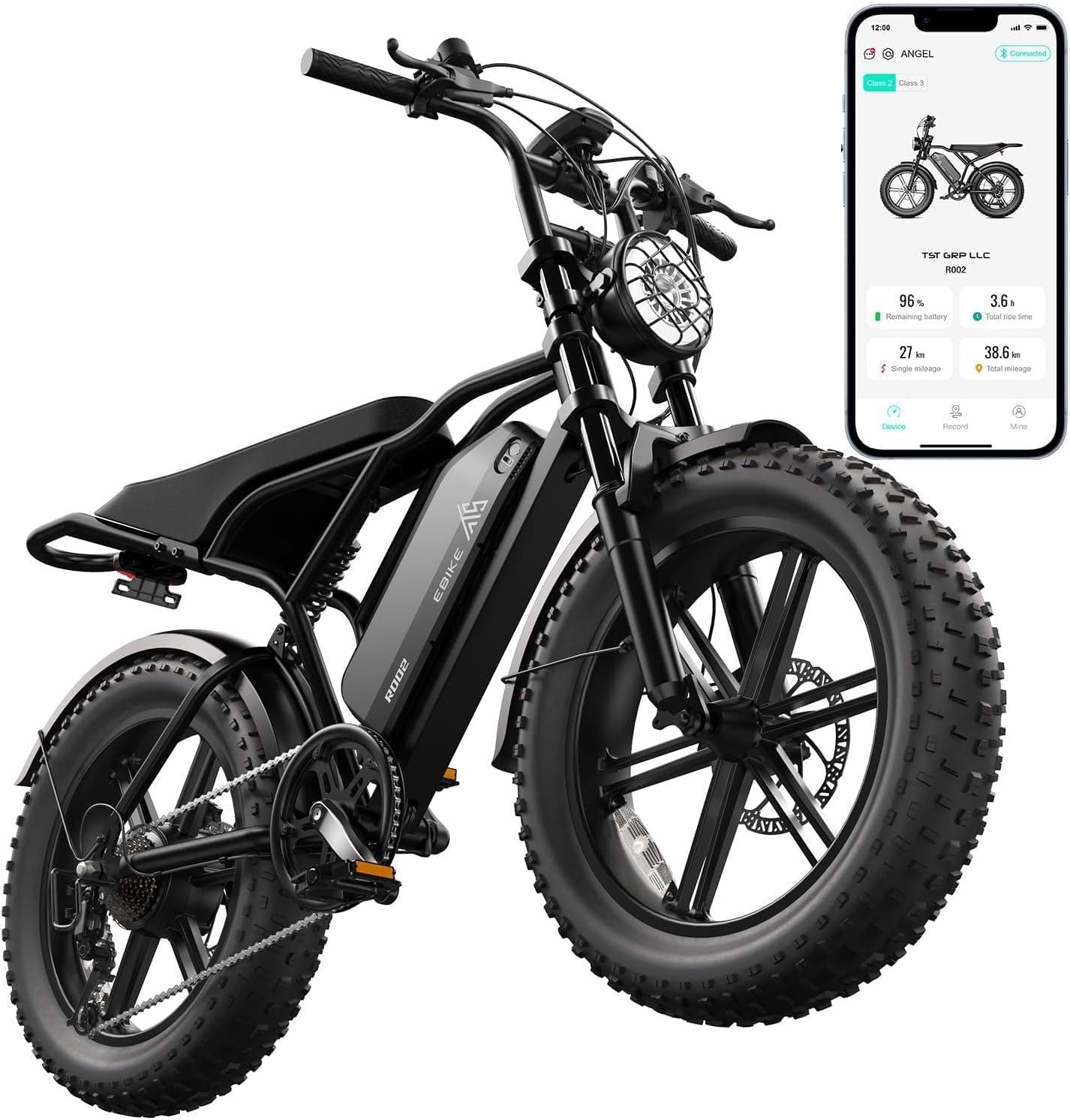
TST Electric Bike 48V 15/25Ah Battery 2000W Peak Motor, 20 * 4.0 Fat Tire
The most motor and the most tire in this group. A 2000W peak figure on a 48V system, 20x4.0 rubber, and a battery option that goes up to 25Ah. This is the one that keeps going when the pavement stops.
Fat tires are heavy, they drag on asphalt, and they cost more to replace. This is not the bike that makes a 10 mile commute feel short.
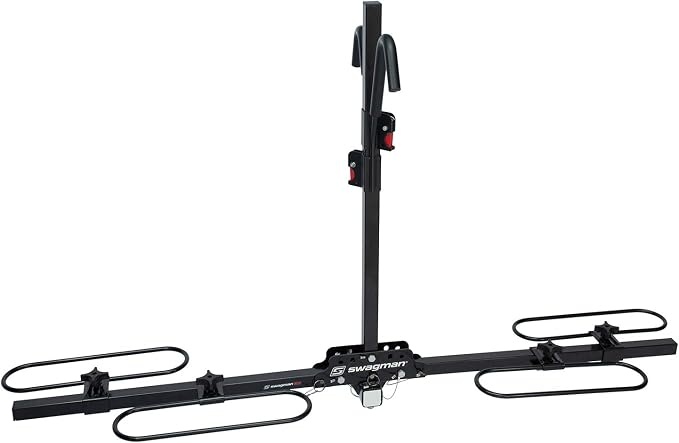
Swagman XC Cross-Country 2-Bike Hitch Mount Rack
The no-drama option. A two-bike hitch carrier with a cross-country name, aimed at the rider who wants the bikes on the car and the car on the road.
It is value-tier hardware, and the compromises show up as the bikes get heavier and the trips get longer.
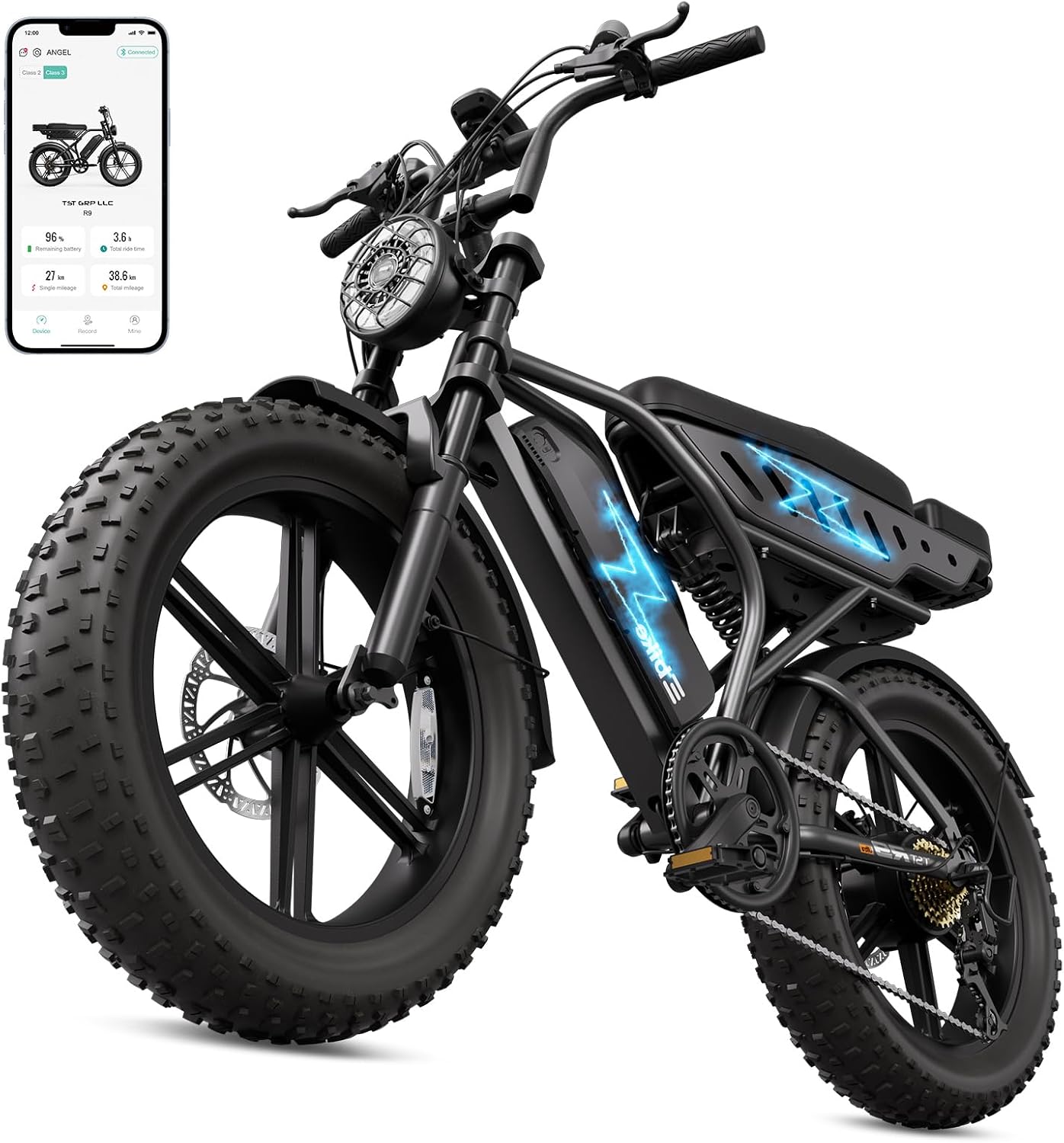
TST Electric Bike for Adults, 48V 15Ah Battery for Urban Cycling, R9
48V and 15Ah aimed squarely at urban cycling, which is what most people actually do with an e-bike. Less bike to push around, easier to lock, easier to park.
No fat tires and less peak power. It will not follow you onto a snowy trail in February, and it was never meant to.
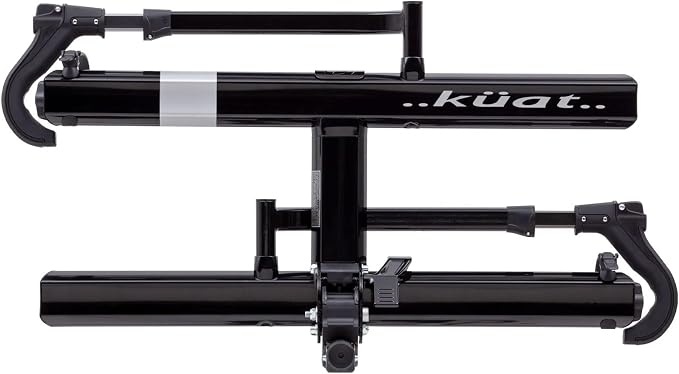
Kuat Sherpa 2.0 Compact 2-Bike Transporting Hitch Rack
The premium rack in this group, and the compact footprint in the name is the whole pitch. Built for people who haul bikes often and care how the rack behaves at highway speed.
You pay premium money for it. If you ride twice a month, the Swagman does the same basic job for a lot less.
Prices and availability were captured from Amazon Creators API and may change.
Why these four products share a page
Most comparison posts line up four of the same thing. That is not how buying works. You buy a bike, then you discover you need a way to carry it, and the two decisions are tangled together. A 20x4.0 fat tire e-bike and a compact urban commuter do not want the same rack. A rack that feels like overkill on a Tuesday is exactly what you want on a long highway drive in July with two bikes on the back. So this is one page about one problem: getting a motorized bike somewhere and back without a fight.
The fat tire TST: what 48 volts and 2000 peak watts actually buy you
48V is the voltage most of the e-bike world settled on, and it is a good place to be. It is enough to move a heavy rider up a real hill, and it is common enough that chargers, batteries, and parts are not a scavenger hunt. My own garage has moved toward 52V and 60V builds, but that is a different budget and a different conversation. For a first e-bike, 48V is the sane starting line.
The 2000W number on this TST is a peak figure. Peak watts are what the controller can pull in a burst, from a stop or on a climb. It is the marketing number, and it is also a real one, as long as you understand that what you feel on a long hill is whether the bike holds speed after the burst is over.
Then there are the tires. 20x4.0 is a fat tire, and fat tires have a different relationship with the ground. On packed snow, sand, gravel, and the loose stuff on the shoulder, they float where a narrow tire digs in. On clean asphalt they hum, they drag, and they take more effort to spin up. That is the trade, and it is not a small one. If your riding is 95 percent pavement, you are paying for capability you will not use.
The battery is listed as 15/25Ah. Amp hours are capacity, and more of them means more distance at the same voltage. The bigger pack is the one I would take if this bike is going to do real miles. What I will not do is hand you a range number. Range depends on rider weight, hills, wind, temperature, and how honest your throttle hand is. Anyone who gives you one number without those variables is selling, not telling.
The R9: the TST built for pavement
The R9 points at a different rider. 48V, 15Ah, and a name that says urban cycling out loud. That is the honest use case for most e-bike buyers: ten miles to work, groceries, the coffee shop, the bike path on a Saturday. A bike built for that is lighter, rolls easier, and is less of a production to park and lock.
The trade-off runs in the other direction. No fat tires means less float once the pavement ends. Less peak power means the steep stuff is more work. If your commute is a Denver hill and you weigh what I weigh, you will notice it. You will also notice that you are not dragging four inches of rubber through a parking garage every morning.
If you are choosing between the two TSTs, the question is not which one is better. It is where the bike spends its miles.
Swagman XC vs Kuat Sherpa 2.0: two ends of the rack market
Hitch racks are a category where the cheap ones and the expensive ones look similar in a photo and feel nothing alike in a parking lot at 6 a.m.
The Swagman XC Cross-Country is the entry point. It is a two-bike hitch mount rack with a cross-country name, which tells you it is aimed at the weekend rider who wants the bikes on the car and the car on the road. For that job it is the sensible spend. What it is not is the rack you buy to haul a heavy e-bike every weekend for five years. Value racks are built to a price, and the compromises show up as flex, rattle, and hardware that stops feeling tight somewhere in year two.
The Kuat Sherpa 2.0 is the other end of the market. Compact by name, premium by reputation, and it is the rack people buy when they are done replacing racks. If you are carrying two e-bikes regularly, if you care how the thing behaves at highway speed with a crosswind, or if you want a rack that folds small enough to live in the garage without eating a wall, this is where the money goes.
Before you buy either, know your receiver and know your bike's real weight. A hitch rack is a system. The rack, the receiver, the bike, and the driver all have to agree, and the failures I have seen almost always start with one of those four being wrong.
What I check before anything gets a recommendation
Voltage and wattage first, price second. I cross-shop motor systems before I ever look at a tag, because a bike with the wrong voltage is the wrong bike no matter what it costs.
Battery cells next. If a listing will not tell you what is inside the pack, assume the worst. Owners know exactly what it means when a seller names the cell brand, and what it means when they dodge the question.
Then the speed limiter. A bike that caps you out of the box with no way to tune it is a bike you will resent by week three. Every owner I know has been in the display settings within a month. If there is no path there, that is a design decision, and not one in your favor.
Range claims get ignored unless they come with a rider weight, a route, and a temperature. I have watched a lot of range numbers get published by riders who weigh 60 pounds less than me on flat ground in perfect weather. That is not data, that is a brochure.
And shipping damage. A couple of minor surface scratches are the cost of doing business with a boxed bike. A bent frame or a cracked fork is a return, and you should photograph the box before you open it.
Trade-offs worth accepting
The fat tire TST: accept the weight, the hum, and the tire cost, and get a bike that handles winter, gravel, and the shoulder of a county road. If you live somewhere with a real season, this is the one.
The R9: accept less off-road ability and get a bike that is easy to live with on the days you actually ride.
The Swagman XC: accept value-tier hardware and get a rack that does the basic job at the basic end of the market.
The Kuat Sherpa 2.0: accept the cost and get a rack you stop thinking about, which is the entire point of a rack.
How I would decide
Commuting on pavement, locking up in a garage, riding four or five days a week: the R9, plus whichever rack matches your receiver and your car.
Trail days with a kid, winter riding, and a route that leaves the pavement: the fat tire TST.
Riding twice a month on a car that already has a hitch: the Swagman XC.
Hauling e-bikes often and tired of rattles: the Kuat Sherpa 2.0.
Here is the part people get wrong. The rack decision is not glamorous, and it is the one that quietly kills a hobby. A bike that never leaves the garage because loading it is a 20 minute fight is a bike you stop riding by August.
The short version
The fat tire TST is the capability play, the R9 is the daily rider, the Swagman XC is the value rack, and the Kuat Sherpa 2.0 is the one you keep. Look at voltage, amp hours, peak watts, tire size, and how the rack actually holds your bike, and let the specs do the arguing. Prices move around, so Visit on Amazon → on the one you are leaning toward before you commit.