I rode a fixie for eight years as a bike messenger in Denver, 40 miles a day, every season, up and down the hill streets the tourists never find. My knees eventually told me to knock it off, so three years ago I bought my first e-bike as a compromise. I now own three and I am already planning a fourth. That is the lens I bring to budget electric bikes for commuting: not what the sticker promises, but what the bike does on the last hill of the day with an almost 200-pound rider on it and a battery that is no longer full.
Related: E-Bike Battery Range: What Your Meter Actually Means
If you want the short answer, the 5TH WHEEL Mate is the bike I would put money on first out of this group, because it is the only one here that tells you its motor, its battery capacity, its gearing, and its display all at once, which means you can judge it before anything ships. The WINDHORSE is the quieter, simpler 26-inch alternative. The 14-inch foldable is the one that fits in a closet and on a train. And the throttle adapter is the cheapest item in this article and possibly the one you will notice most, because the stock throttle is the first thing I change on almost every bike.
One honest note on method before the table. These four are on my list to run this fall, and I have not put my own logged miles on them yet. What follows is what the listings actually publish, filtered through three years and a few thousand miles on bikes in this exact price band, plus the things I check before any money leaves my account. When a number is not published, I say so instead of guessing.
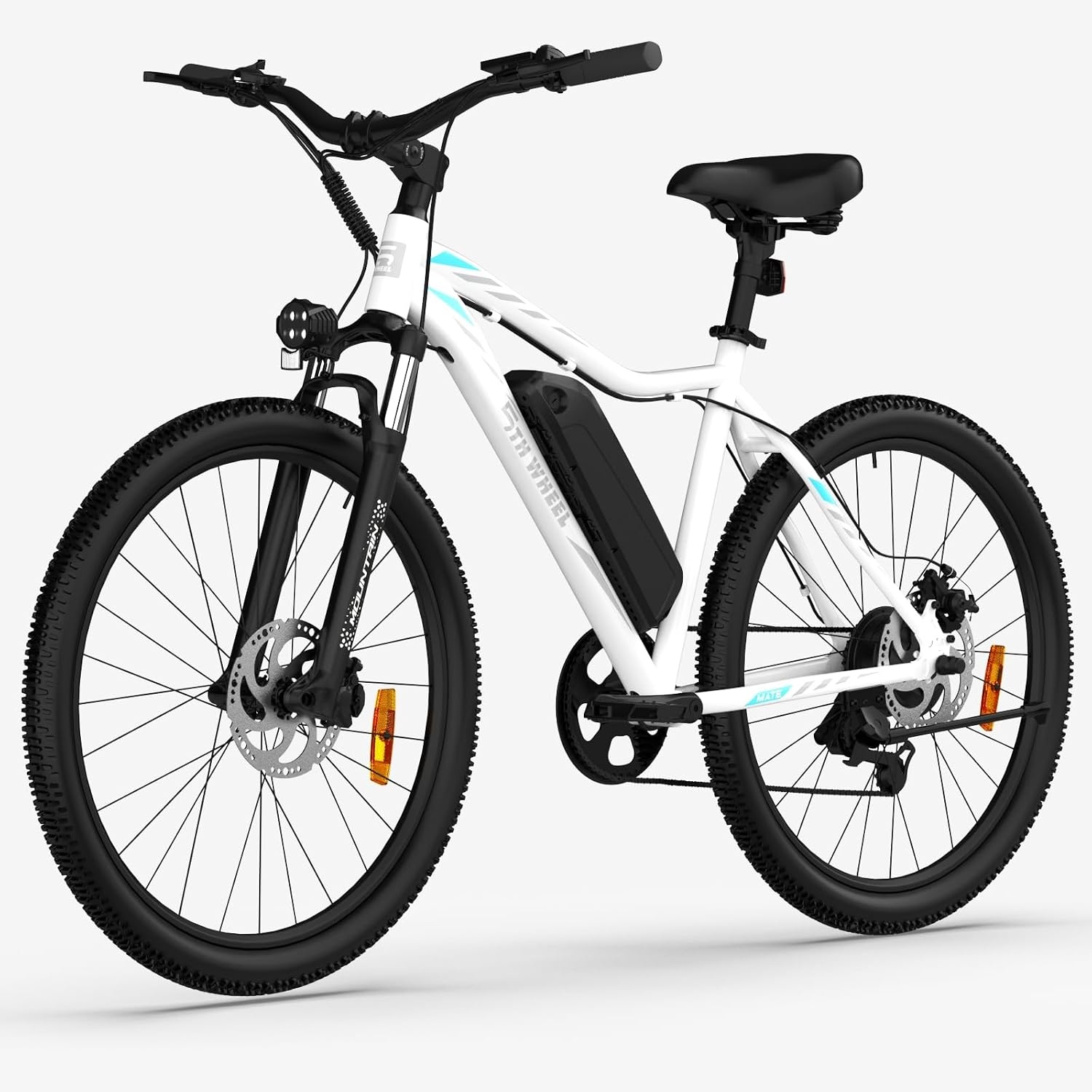
5TH WHEEL Mate Electric Bike for Adults, 1000W Peak Motor, 23MPH Top Speed, 468WH Removable Battery, 26 inch Commuting & Mountain E-Bike with Color LCD Display, 7-Speed Gears & Adjustable Stem Bicycle
Full spec sheet: 1000W peak, 468WH removable pack, 7-speed, color LCD, adjustable stem
23MPH and 468WH mean it is a commuter, not a trail weapon
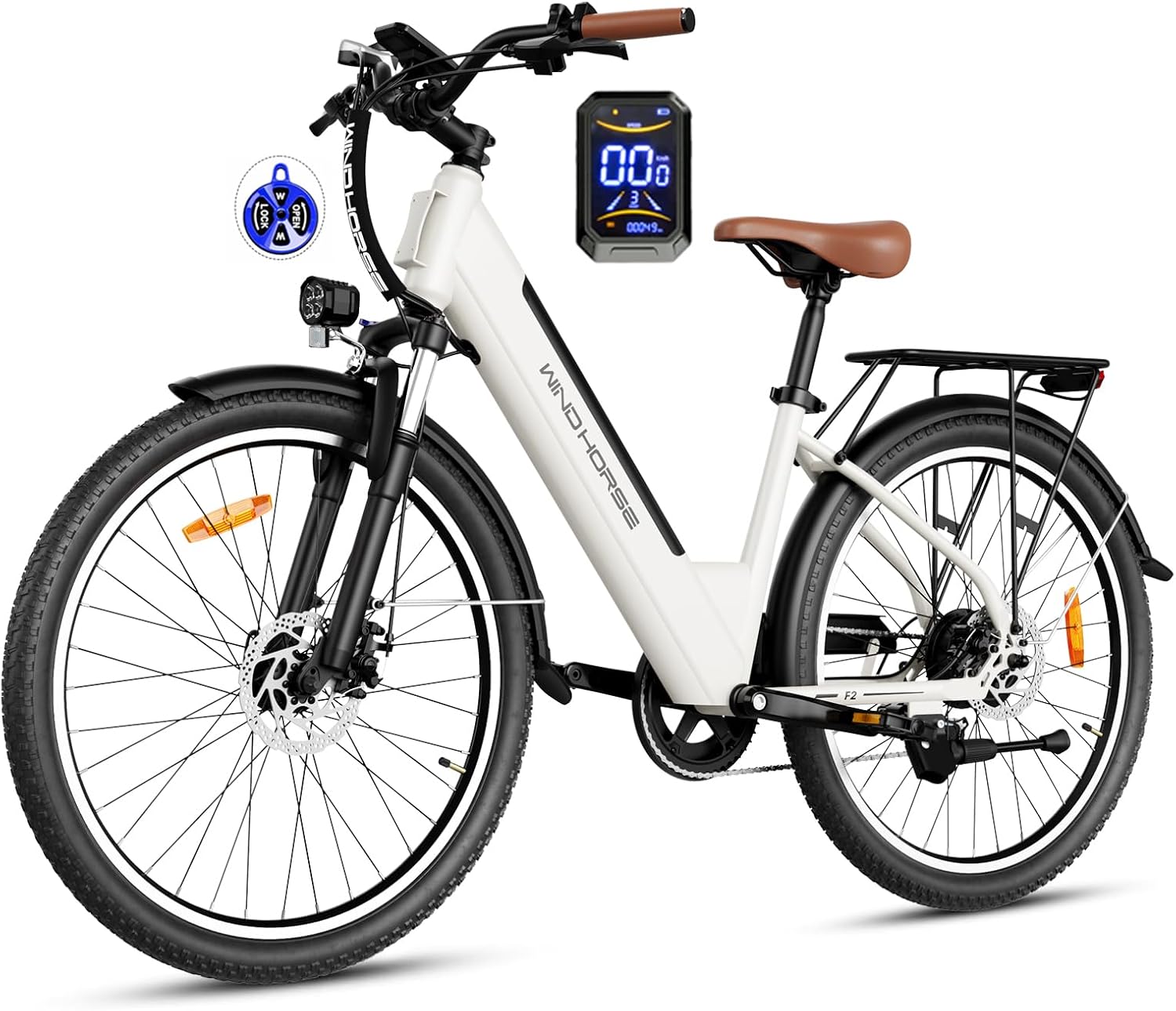
WINDHORSE 26" Electric Bike for Adults 20MPH & 30-50 Miles Range
Simple 26-inch package with the longest claimed range in the group
20MPH and a range claim that reads like marketing until you verify it
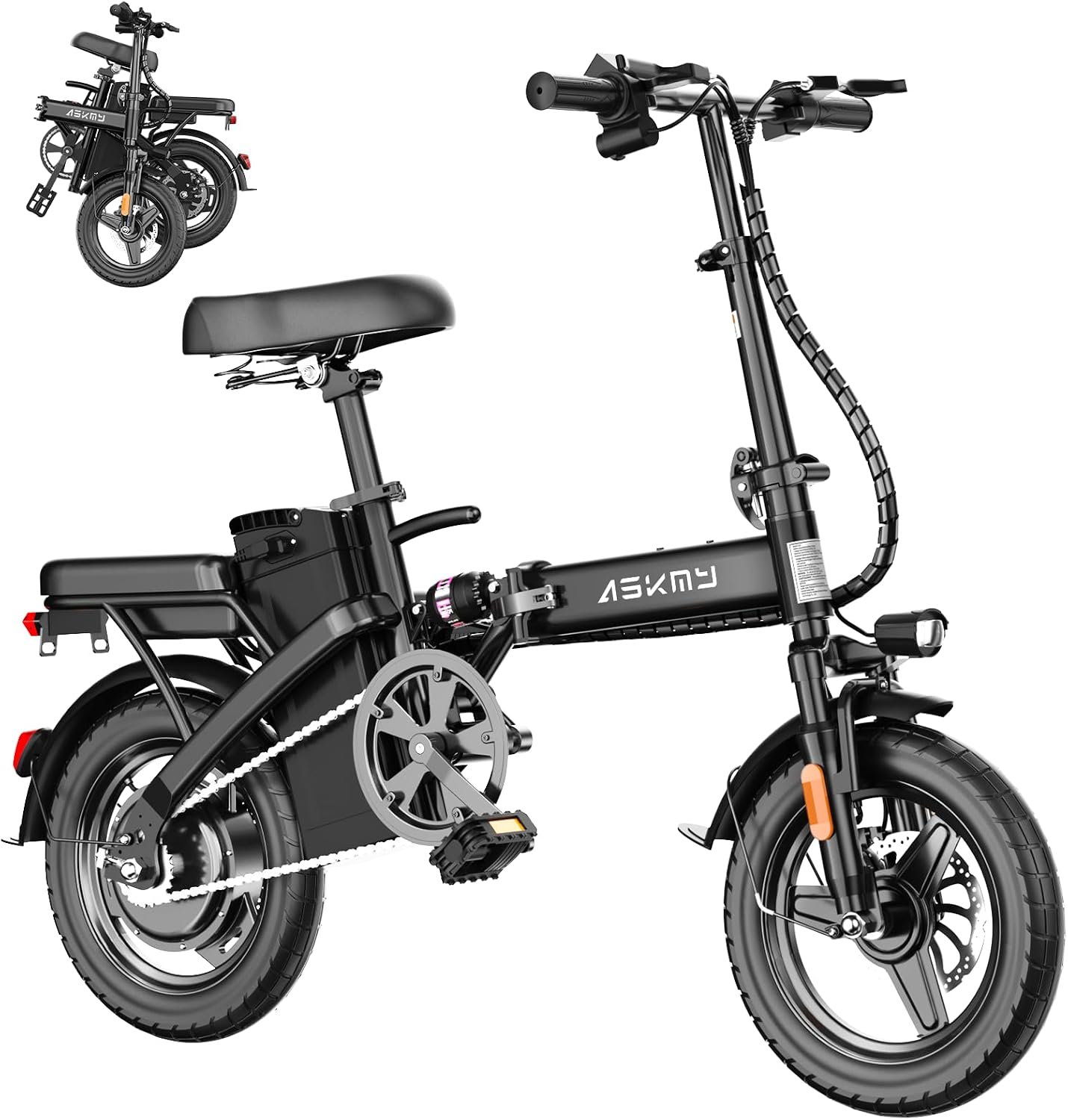
Foldable Electric Bike for Adults and Teens, 14 Inch Ebike for Commuting
Folds small, lowest entry point here, easy to store or carry onto transit
14-inch wheels are twitchy at speed and rough on anything but smooth pavement
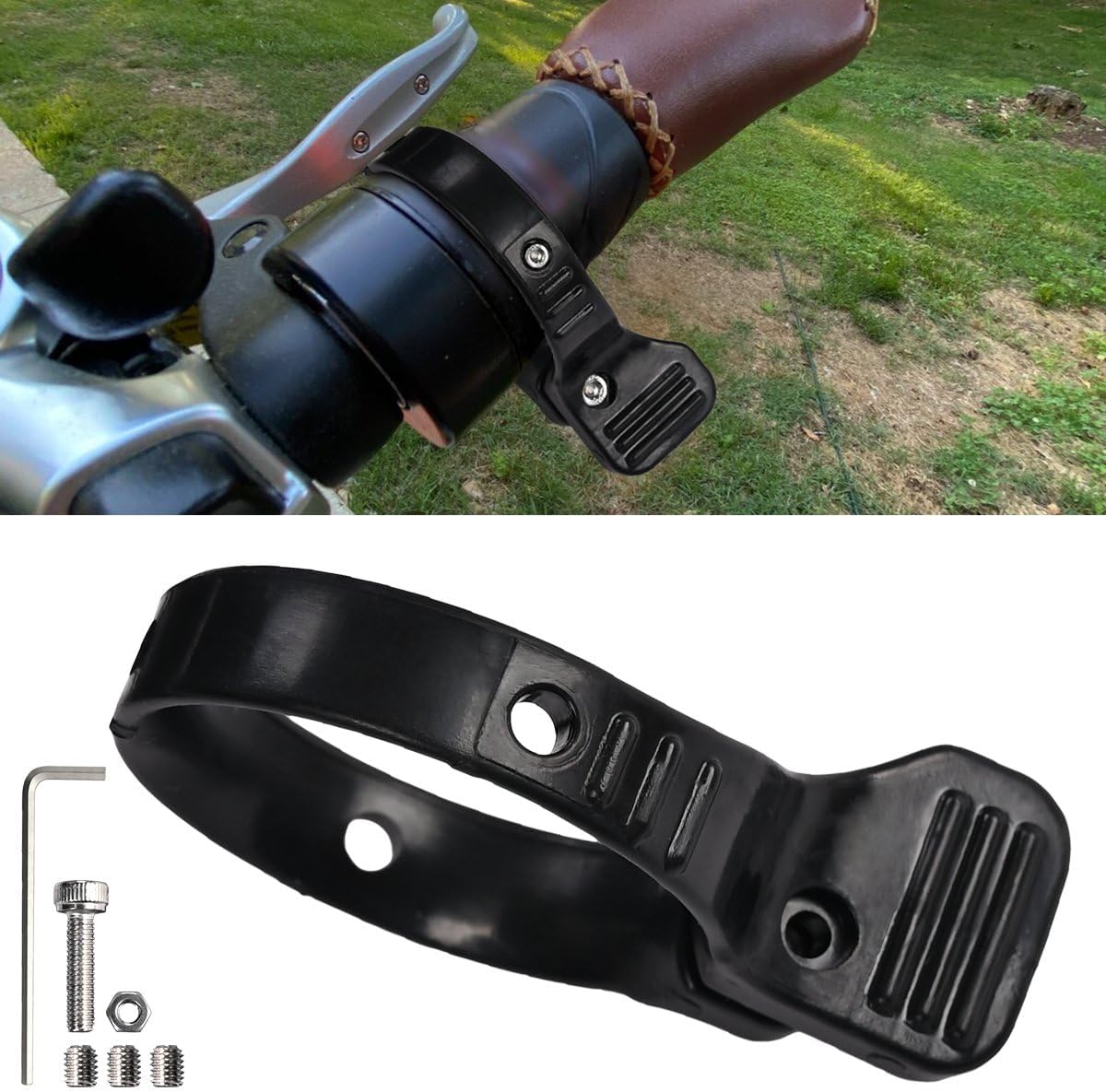
Canitu Thumb Throttle Adapter,E-Bike Throttle Adapter Attachment Drive Conversion Kits Replacement for Rad, for Lectric, for Pedego, for Himiway, for Magicycle, for Electric Bike
Turns a full-grip twist throttle into a thumb lever, fits a long list of common brands
Not a performance upgrade, and it only matters if your bike uses that throttle style
Prices and availability were captured from Amazon Creators API and may change.
What I check before I trust any cheap e-bike
Voltage and wattage first, price second. That is not a slogan, it is the order I open listings in. Peak wattage tells you what the controller will let the motor pull for a few seconds on a climb. Battery capacity tells you whether those seconds are repeatable at mile nine. A bike that advertises one and hides the other is telling you which number it is proud of.
Then I look at what the listing refuses to say. If a spec sheet leads with range and never mentions the cells inside the pack, I notice. LG cells are the only ones I trust, and when a seller names them, owners know exactly what that is worth. When a seller does not name them, I assume the worst and price my expectations accordingly.
After that, the boring stuff. Weight capacity, because I am almost 200 pounds and a frame that flexes under me is not a frame. Gearing, because a single-speed e-bike on a Denver hill is a science experiment. Adjustable cockpit, because a stem you can raise is the difference between a bike you ride and a bike you sell. And assembly, because if you cannot put it together in your garage, you do not really own it. I have built bikes solo in two hours flat and I still tell everyone to bring a friend.
Finally, tunability. A bike that caps your speed out of the box with no way to adjust it is a bike that will bore you by month two. Every owner I know tunes something. The dealer just never hears about it.
The two 26-inch bikes: 5TH WHEEL Mate vs WINDHORSE
These two are the same wheel size and roughly the same job, and they get there in completely different ways.
The 5TH WHEEL Mate shows its work. A 1000W peak motor, a 468WH removable battery, 7-speed gearing, a color LCD, and an adjustable stem. That is a full commuter package, and the removable pack is the detail I care about most. Being able to carry the battery inside to charge, or swap it later without replacing the bike, is worth more than a few extra claimed miles on a sticker. The 7-speed drivetrain also means you can actually help the motor on a climb instead of asking it to do everything, which is how you get range back. The 23MPH top speed is honest for a bike in this class, and I would rather see an honest 23 than a fantasy 30. You can Visit on Amazon → to see the current listing and the full spec sheet.
The WINDHORSE takes the simpler route: 26-inch wheels, 20MPH, and a claimed 30 to 50 miles of range. I will say the thing I always say about range numbers. A range claim is marketing until the battery is still showing charge when you get home, and claims like that are usually tested by a lighter rider on flat ground in perfect weather. That does not make the WINDHORSE a bad bike. It makes the range figure a question, not a feature. What the WINDHORSE has going for it is straightforwardness: one speed class, one clear use case, and a 26-inch platform that rolls over cracked pavement and curb cuts far better than anything smaller. You can Visit on Amazon → to check the current details.
If I had to split them: the Mate is the bike for a rider who wants to know what they bought and wants the option to grow with it. The WINDHORSE is the bike for a rider who wants a 26-inch e-bike, wants it simple, and does not want to think about gearing or displays.
The 14-inch folder: small wheels, specific job
The 14-inch foldable is the outlier here, and it is the one people either love or send back. Small wheels are twitchy. They feel every seam in the pavement. At 20MPH they demand more attention than a 26-inch bike does at the same speed, and if your commute is 12 miles of rough city street, that gets old by Thursday.
But that is not what this bike is for. This is the bike for the apartment with no garage, the office with a closet, the train platform, the trunk of a car. It folds, it stores, and it is the lowest entry point in this comparison. As a last-mile machine paired with transit, or a short flat commute, it does the job that a full-size bike cannot do at all. If you have ever carried a 26-inch e-bike up three flights of stairs, you already understand the value of the trade. You can Visit on Amazon → to see what the listing says about sizing, since it is marketed to both adults and teens.
The honest trade-off: you give up stability, ride quality, and hill confidence in exchange for storage and price. For a lot of riders, that is a good trade. For a heavy rider doing long commutes, it is not.
The part nobody thinks about: the throttle
Here is the thing that separates a bike you tolerate from a bike you like. The throttle. A twist grip forces your wrist into an awkward angle, and on a long ride that angle turns into a numb hand. A thumb lever gives you a natural position, better control at low speed, and the ability to feather power while your fingers stay wrapped on the bar.
The Canitu thumb throttle adapter is a conversion kit that replaces that full-grip twist setup with a thumb lever, and the listing names compatibility with Rad, Lectric, Pedego, Himiway, Magicycle, and other electric bikes. If your bike uses that throttle style, this is one of the cheapest changes you can make to how the bike feels every single ride. You can Visit on Amazon → to check whether your model is covered.
Two honest caveats. It is not a performance upgrade, so do not expect more speed or more range. And it only matters if your bike actually uses the throttle style it replaces. Check the fit before you buy, because a throttle that does not match your bar and connector is a paperweight.
The trade-offs, stated plainly
The 5TH WHEEL Mate gives you the most complete package: motor, capacity, gearing, display, adjustable fit. You pay for that in price and in weight. It is a 26-inch bike, so it lives in a garage or a hallway, not a closet.
The WINDHORSE gives you a simple 26-inch ride and the longest claimed range here. You give up the spec transparency and the gearing, and you should treat that range number as a ceiling, not a promise.
The 14-inch folder gives you portability at the lowest cost. You give up ride quality, stability at speed, and comfort on rough ground. Small wheels are a real compromise, not a marketing detail.
The throttle adapter gives you better ergonomics for very little money. You give up nothing except the ten minutes it takes to install, assuming it fits your bike.
Who should buy which
Buy the 5TH WHEEL Mate if you commute daily, want one bike that covers errands and light trail use, and you want to see the motor and battery numbers before you commit. It is the pick I would make with my own money.
Buy the WINDHORSE if you want a straightforward 26-inch e-bike at a lower price and your rides are short enough that a claimed 30 to 50 miles is more than you will ever use in a day.
Buy the 14-inch foldable if storage or transit is the whole problem. If you live in a walk-up, ride a train, or park in a shared garage, this is the bike that actually fits your life.
Buy the throttle adapter if your hands go numb on longer rides and your bike uses that throttle style. It is the smallest purchase here and the one you will feel on every single ride.
What I am watching next
Two things. First, real range numbers on the WINDHORSE, because a 30 to 50 mile claim deserves a rider who weighs almost 200 pounds and a route with actual hills on it. Second, the removable pack on the Mate, because removable batteries are the difference between a bike that lasts five years and a bike that becomes furniture when the pack dies.
Until then, my advice is the same as it has always been. Voltage and wattage first, price second. Read what the listing tells you, and pay attention to what it leaves out. Then buy the bike that matches the ride you actually do, not the ride in the advertisement.