Most e-bike buyers I know have no idea what class their bike is. They bought a bike, slapped a battery on it, and figured the road was the road. Then somebody at a trailhead told them their bike wasn't legal there. I've watched grown men argue about wattage limits in parking lots. It's a mess.
Here's the thing. E-bike laws aren't some edge-case legal footnote. They decide where you can ride, what helmet you need, and whether a cop can write you a ticket on your way home from work. And they change by state. What flies in California will get you pulled over in New York. This is the guide I wish somebody had handed me three years ago when I bought my first e-bike.
Short List: E-Bikes Worth Knowing About While You Sort The Legal Stuff
Since you're already shopping, here's a quick look at the bikes that show up again and again in conversations about daily riding. None of these are toys. All of them fall into class 1, 2, or 3 by default.
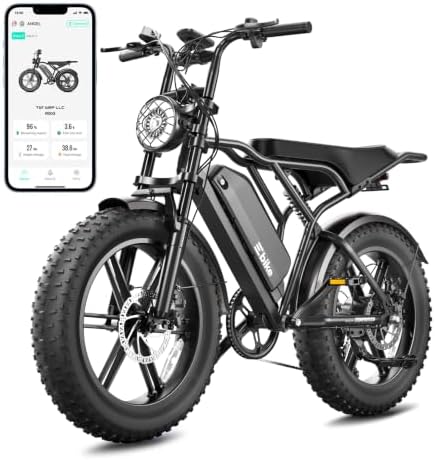
TST Electric Bike for Adults, 48V 15Ah Battery, 1500W Peak Motor, Fat Tire
Fat tires, removable battery, real range
Visit on Amazon →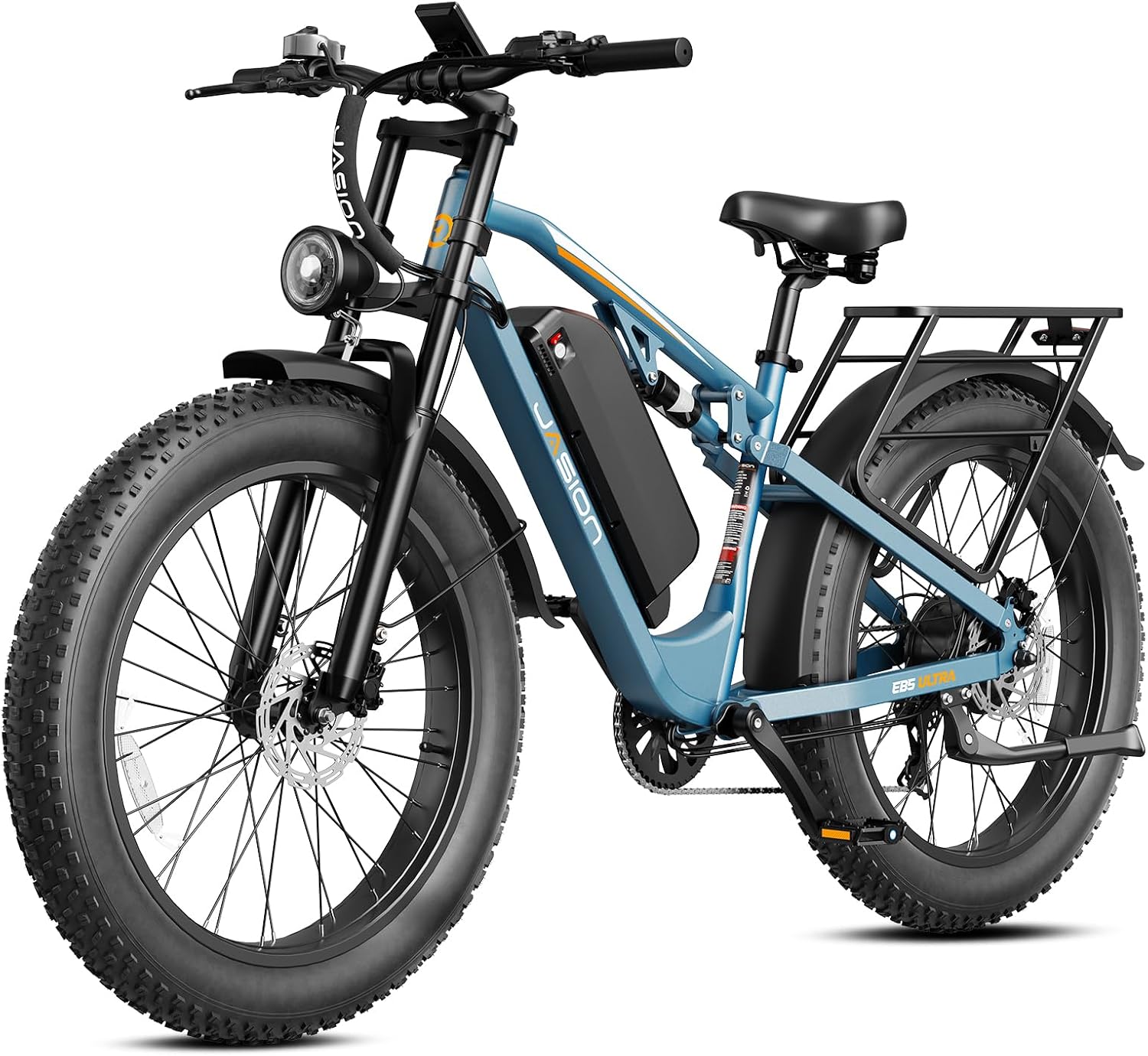
Jasion EB5 Ultra Electric Bike for Adults 2500W Peak Motor, 1040Wh Battery
Jasion EB5 Ultra Electric Bike for Adults 2500W Peak Motor.
Visit on Amazon →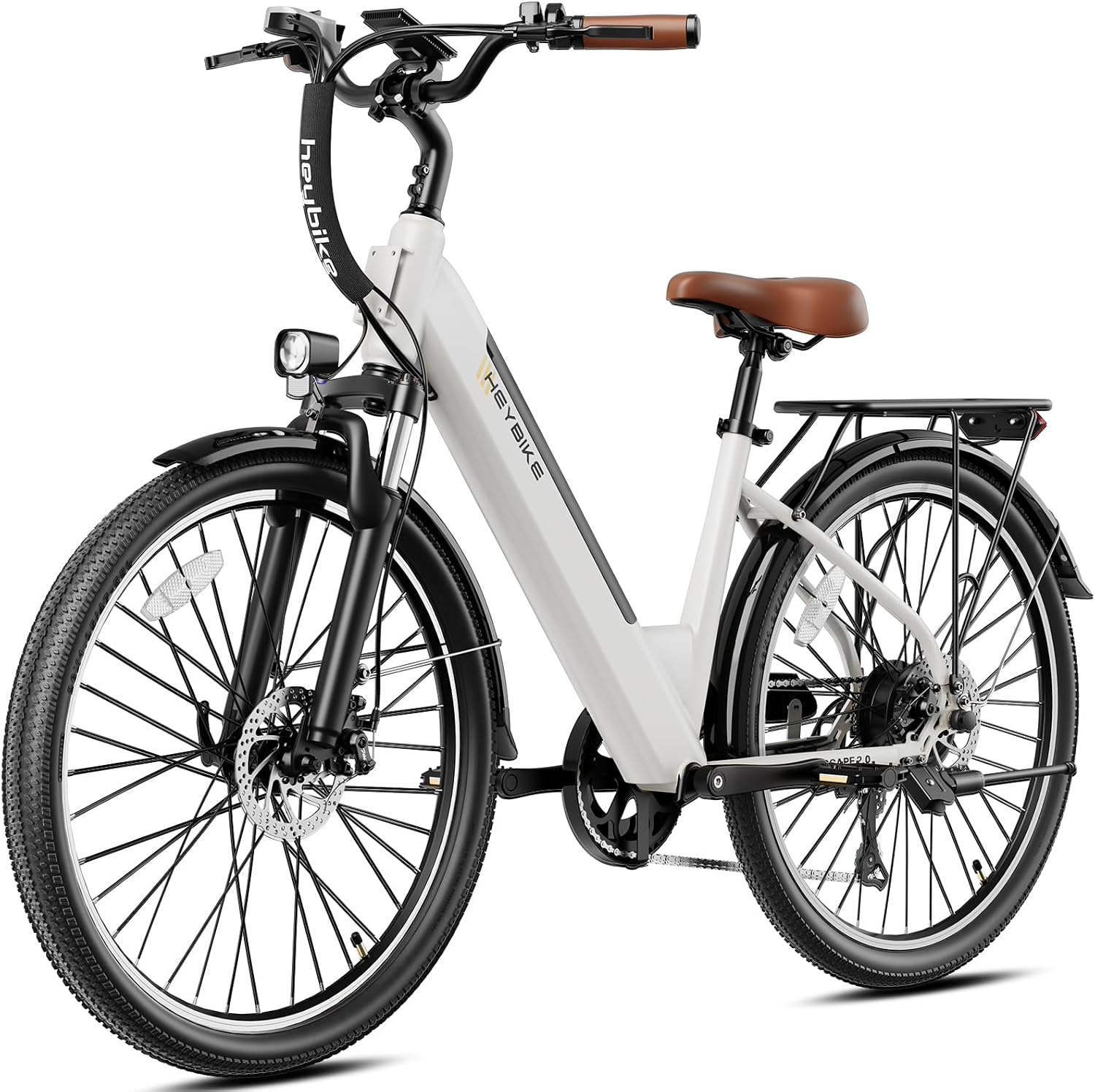
Heybike Cityscape 2.0 Electric Bike for Adults with 468Wh Removable Battery
Commuter-friendly step-through, solid range
Visit on Amazon →
INVANTI Electric Bike for Adults with 55 Miles, Peak 750W Motor, 20 MPH Commuting Electric Mountain Bike with 26" Tires, Front Fork Suspension, 7-Speed Gears, LCD Display and Removable Battery
Long range claim, 20 mph top speed
Visit on Amazon →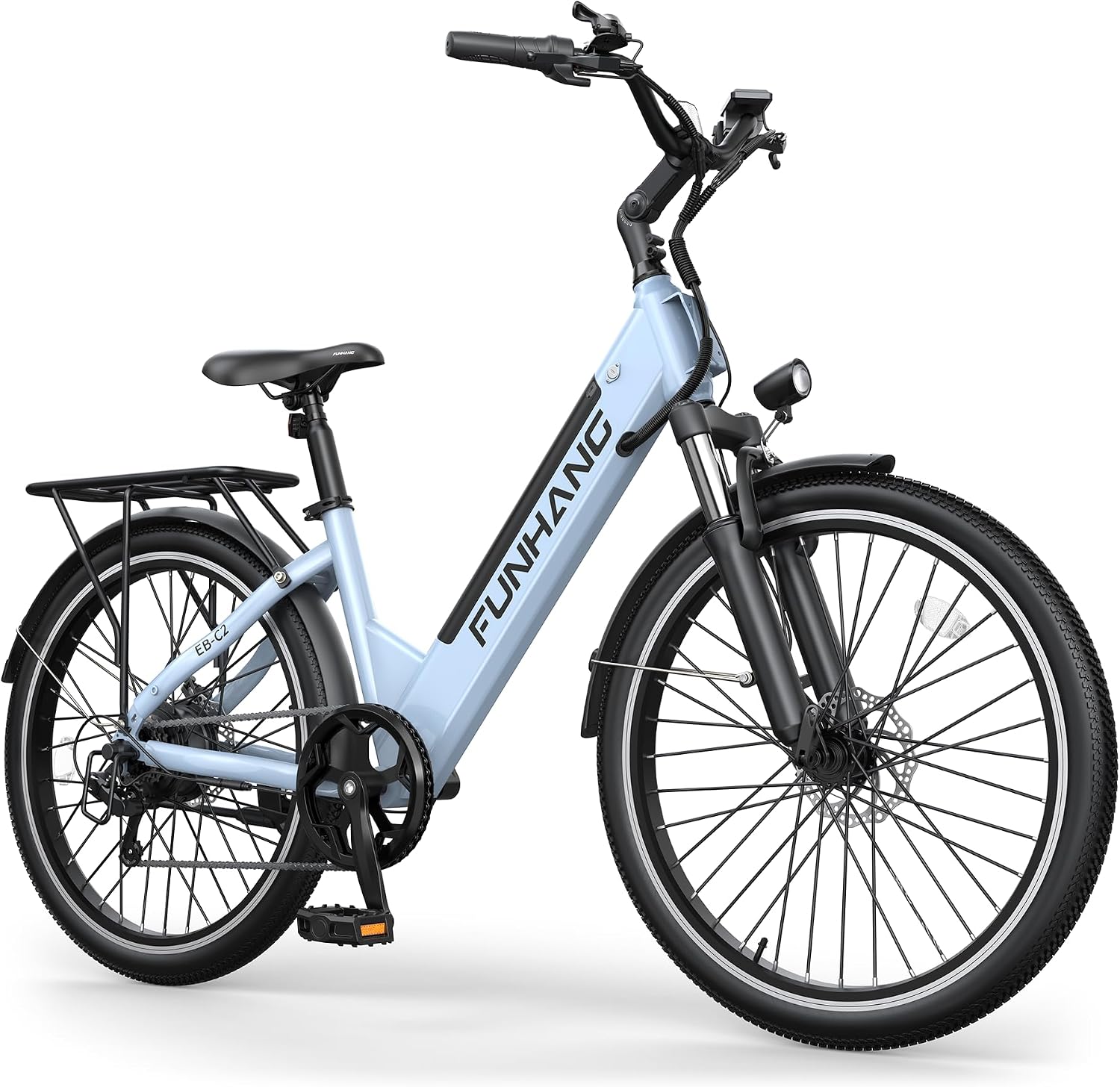
Funhang Electric Bike for Adults, 1000W Peak Ebike, 50Miles Step Thru Electric Bicycle, 26" Commuter E Bikes with 48V Built-in Removable Battery, Adjustable Stem, 7-Speed, UL 2849 Certified
Affordable, decent range for the money
Visit on Amazon →
ASKGO Electric Bike for Adults, 1500W Peak Mountain Ebike, 65 Miles Range, 1-7 Speed, 48V 10.4Ah Removable Battery Ebike, 26" Electric Bicycle for Commute
Range leader at the budget end
Visit on Amazon →INVANTI Electric Bike for Adults with 55 Miles, Peak 750W Motor, 20 MPH Commuting Electric Mountain Bike with 26" Tires, Front Fork Suspension, 7-Speed Gears, LCD Display and Removable Battery
Cheapest legit option on this list
Visit on Amazon →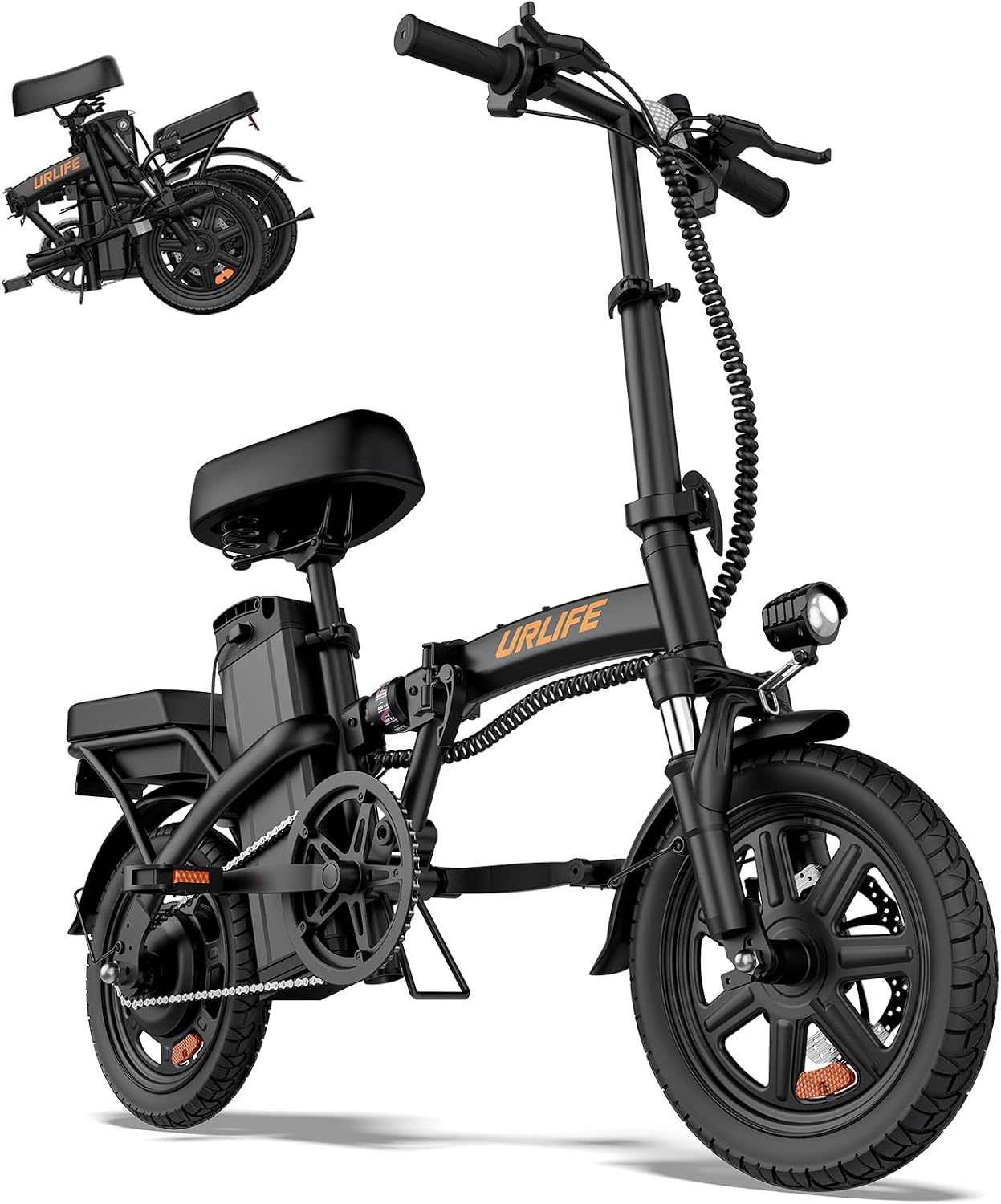
URLIFE Folding Electric Bike for Adults, 14" Portable ebikes, 20-40 Mile Long Range Commuter Bike, 500W Peak Motor, 20MPH, UL 2849 Mini Bikes for Teens
Folds for apartment storage
Visit on Amazon →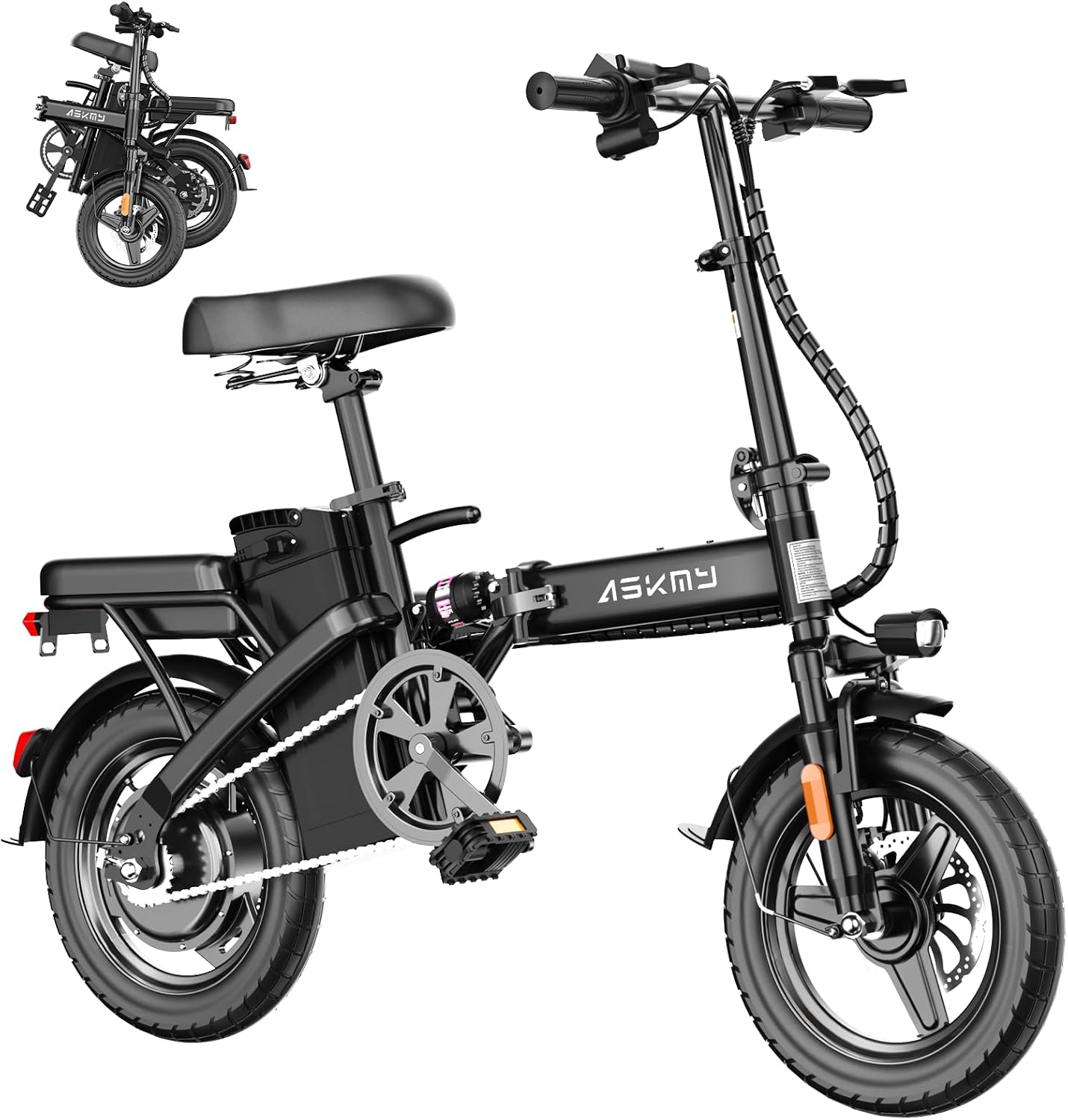
Foldable Electric Bike for Adults and Teens, 14 Inch Ebike for Commuting
Entry price, compact
Visit on Amazon →Foldable Electric Bike for Adults and Teens, 14 Inch Ebike for Commuting
Solid folding build
Visit on Amazon →INVANTI Electric Bike for Adults with 55 Miles, Peak 750W Motor, 20 MPH Commuting Electric Mountain Bike with 26" Tires, Front Fork Suspension, 7-Speed Gears, LCD Display and Removable Battery
Commuter-friendly peak-750W e-bike with 55-mile range, removable battery, 7-speed gears and 26" tires for mixed-terrain daily rides.
Visit on Amazon →How E-Bike Classes Actually Work
Three classes. That's it. The industry landed on this system through the model legislation that PeopleForBikes pushed a few years back, and most states adopted some version of it.
Class 1 is a pedal-assist bike only. No throttle. The motor cuts off at 20 mph. You have to pedal to make it go. In most states, this bike can ride anywhere a regular bike can, including bike paths and trails.
Class 2 adds a throttle. You can sit still and twist the throttle without pedaling. Still capped at 20 mph. Some states restrict where you can ride a class 2 bike, especially on natural surface trails.
Class 3 is pedal-assist only (in most states), but the motor cuts off at 28 mph instead of 20. These are road bikes. Fast commuters. Many states don't allow class 3 on bike paths or multi-use trails, even if the bike has no throttle.
The wattage doesn't define the class. The speed and the throttle presence do. I've got a TACTIEN dirt bike with a 3000W peak motor. By class rules, it could still be a class 2 if the speed is capped and the throttle is there. The motor size is a separate conversation, mostly around where you can legally ride and what insurance or registration might apply.
State By State: Where Things Get Weird
Federal law doesn't really cover e-bikes. That's the first thing to understand. The Consumer Product Safety Commission treats low-speed electric bikes as consumer products, but the actual riding rules are state and local.
Here's the broad strokes as of late 2025. Laws change. Check your state DOT before you ride.
California. Three-class system adopted fully. Class 1 and 2 can ride in bike lanes and on most paths. Class 3 is bike lanes and roads only, no multi-use trails. Helmets required for class 3. No minimum age for class 1 and 2 riders. AB 1096 back in 2015 is what locked this in.
New York. Three-class system adopted in 2020. Class 1 and 2 allowed in bike lanes and on streets. Class 3 banned from bike paths and trails. Throttles are restricted in NYC specifically.
Texas. Three-class system. Class 1, 2, and 3 all allowed on roads and bike lanes. Class 3 banned from natural surface trails. Helmets required under 18.
Florida. Three-class system since 2020. Class 1 and 2 allowed on bike paths and trails. Class 3 restricted to roads and bike lanes. Speed limit for class 3 is 28 mph.
Colorado. This is where I ride. Three-class system. Class 1, 2, and 3 allowed on bike lanes and roads. Class 1 and 2 can ride on most multi-use paths. Class 3 is restricted on some trails. Local jurisdictions can override, so Denver rules and Boulder rules aren't always the same.
Washington. Three-class system. Class 1 allowed on most trails. Class 2 and 3 restricted on many natural surface trails.
Oregon. Three-class system but with quirks. Class 1 and 2 allowed on bike paths. Class 3 not allowed on bike paths in most cities.
Illinois. Three-class system since 2018. Class 1, 2, and 3 allowed on roads and bike lanes. Local jurisdictions control trail access.
Pennsylvania. No statewide three-class system. E-bikes are generally treated as bicycles if under 750W and 20 mph on flat ground. Some local municipalities have their own rules.
Massachusetts. Class 1 and 2 allowed on bike paths. Class 3 treated like a moped in some interpretations.
New Jersey. Class 1 and 2 allowed on bike paths and roads. Class 3 restricted to roads only.
That's the rough map. Twenty-eight states have adopted some form of the three-class model. The rest are a patchwork.
Where It Gets Complicated
The class system covers most electric bikes you'll see on Amazon. Class 1, 2, or 3. But there's a gap. Once you cross into higher wattage, faster top speeds, or throttle-equipped bikes that don't cut off at 20 or 28 mph, you exit the three-class system entirely.
That TACTIEN I mentioned earlier, 3000W peak, hitting 42 mph on mode 3, that's not a class 1, 2, or 3 bike. By most state definitions, that falls into moped or motorcycle territory. Different rules. Registration, insurance, sometimes a license. I ride mine off-road, on private land, and on trails where it's clearly allowed. I don't ride it on the street. That's the responsible play.
Same thing with the Jasion EB5 Ultra with its 2500W peak motor. If you're riding it at full power, you're pushing class 3 limits and beyond. Stock settings cap it, but there's a way to tune these past factory settings. Buyers do it. I've done it. Just understand that tuned bikes exist in a legal grey zone.
The 750W motors on most of the commuter bikes in the verified list above, like the Heybike Cityscape 2.0 or the INVANTI with 55 miles of range, those stay within the three-class system. They're legal as bicycles in most states that follow the model legislation.
What This Means For Your Daily Ride
If you're commuting to work on a class 1 or class 2 bike, you probably don't need to worry much. Helmet on. Follow the same rules as a regular bike. The 20 mph cap feels limiting until you're in stop-and-go traffic watching cars crawl past you in the bike lane.
For trail riding with your kid, class 1 is your safest legal bet. The motors cut off at 20 mph, no throttle, and most trail systems allow them. My son and I ride trails that explicitly allow class 1 e-mountain bikes. The TACTIEN stays home or goes to the dedicated dirt bike areas.
If you want speed, class 3 on the road. The Heybike Cityscape 2.0 hits 28 mph in pedal-assist mode. That's commuter speed. You'll keep up with traffic on most surface streets. Just don't expect to take that bike on a multi-use trail in most states.
The Warranty And Insurance Question
One thing nobody talks about in the class discussion is what happens when something goes wrong. If you're riding a class 1, 2, or 3 e-bike legally and you cause an accident, your homeowner's or renter's insurance usually covers it the same way a regular bicycle would. The bike is treated as a consumer product.
Once you're outside the three-class system, that changes. Moped territory. Motorcycle insurance. Different liability profile. Some homeowner's policies won't cover an incident involving an unregistered motor vehicle.
Warranties work the same way. Most of the bikes in the verified products list above come with one-year limited warranties. The Jasion EB5 Ultra has a solid warranty. The TST with the 48V 15Ah battery covers manufacturing defects. Read the warranty terms. They often exclude tuned bikes, modified bikes, and bikes used outside the rated class.
What I'm Watching
Local jurisdictions keep tightening rules around class 2 and class 3 bikes on trails. The federal lands issue is moving. National parks are still sorting out e-bike access on a park-by-park basis. State parks are doing the same.
I'm watching Colorado specifically because that's where I ride. Denver Parks and Recreation has been quietly updating its trail access map. Some trails that allowed class 2 last summer are now class 1 only. I'll update this guide when the new map drops.
If you're buying a bike right now, here's the practical move. Buy class 1 if you want maximum legal access. Buy class 2 if you want a throttle for stop-and-go commuting. Buy class 3 if you're staying on roads and want speed. Buy anything over 750W or 28 mph knowing you're outside the three-class system and you're responsible for the legal consequences.
Ride smart. Know your local laws. And don't argue with the ranger at the trailhead about wattage. You won't win.